Startups are encouraging a return to the office to enhance collaboration and drive innovation.
Most employees prefer a hybrid work model, combining remote and in-office work.
Clear communication and support are crucial for a smooth transition back to the office.
The COVID-19 pandemic changed how we work, making remote work the go-to option for many of us.
Now, as we look ahead to 2025, startups are navigating the challenge of shifting back to office life — the resurgence of the return to the office (RTO).
Remote work provided us with flexibility and safety during those uncertain times, but returning to the office brings a host of benefits for everyone involved.
Back in 2020-2021, 58% of people were still working from home, 33% had returned to the office, and 9% were trying out a hybrid approach.
Now, in 2024, only 13% are exclusively working from home, 40% have returned to the office, and 23% work in a hybrid way; and, according to a recent survey, 80% of CEOs predict remote working will disappear by 2027.
For startups, heading back to the office isn’t just about going back to how things were before.
It’s an opportunity to tap into the power of in-person collaboration, boost brand visibility, and ultimately spark productivity and innovation.
Why are startups encouraging employees to return to the office?
As the landscape of work continues to evolve, startups are recognising the critical role that in-office collaboration plays in driving innovation and building strong teams.
Here’s a closer look at why this shift is happening:
Boosting collaboration: In-person interactions can spark creativity and innovation, making it easier for teams to brainstorm and collaborate effectively.
Strengthening company culture: Being in the office helps foster a strong sense of community and belonging, which is crucial for building a cohesive team. But if your team’s been working remotely for the past few years, you may have to work to rebuild your company culture with the shift back to the office.
Enhancing communication: Face-to-face communication reduces misunderstandings and fosters quicker decision-making, leading to more efficient workflows.
Improving accountability: Working in the office can increase accountability among team members, as they can more easily monitor progress and support one another.
Employee engagement: Returning to the office can increase employee motivation and engagement, potentially reducing the risk of burnout.
Building brand visibility: A physical presence can enhance a startup’s brand visibility and reputation, making it easier to attract talent and clients.
Providing structure: The office environment can offer a structured workday that helps employees maintain focus and productivity, especially for those who struggle with remote work distractions.
Facilitating onboarding: For new hires, being in the office allows for a smoother onboarding process, with easier access to mentors and resources.
Encouraging work-life balance: Returning to the office can help employees establish clear boundaries between work and home life, which is essential for mental well-being.
Is it healthier to work from home or the office?
Research indicates that working in an office can improve mental health by fostering social interactions and providing a structured routine.
It can lead to people exercising less, eating less healthily, or feeling more isolated.
On the other hand, returning to the office can boost social interactions and offer a more structured setting, which can benefit your team’s overall well-being.
Do employees prefer working in the office?
When it comes to work preferences, the majority of employees seem to favour a hybrid model.
In fact, about 68% prefer a mix of remote and in-person work, which suggests that many people appreciate the flexibility that comes with working from home while still enjoying the benefits of being in the office.
7% of employees prefer working in the office full-time, showing that fully in-person work isn’t the top choice for most — particularly for younger workers, like Gen Z and millennials.
How to announce a return to the office
Announcing a return to the office can be an important moment for your team, so it’s best to keep it clear and supportive.
Here’s how to do it:
Be transparent: Start by explaining the reasons for the return. Whether it’s to boost collaboration, improve team dynamics, or enhance productivity, sharing the "why" helps everyone understand the decision.
Set a positive tone: Frame the announcement positively. Highlight the benefits of being back in the office, like reconnecting with colleagues and engaging in face-to-face interactions.
Provide details: Include important information, such as the return date, any changes to work schedules, and safety measures in place. This helps everyone prepare and feel secure about the transition.
Encourage feedback: Invite your team to share their thoughts or concerns about returning. This shows you value their input and are willing to make adjustments if needed.
Share support resources: If there are resources available for easing the transition — like flexible hours, mental health support, or wellness programs — make sure to mention them.
Follow up: After the initial announcement, keep the lines of communication open. Share updates and be available for any questions as the return date approaches.
By being clear, positive, and supportive, you can help make the transition back to the office a smoother experience for everyone!
What are the challenges of return to work for startups?
Returning to work presents several challenges for startups that can affect both employees and the overall business, which are always worth considering before implementing your RTO policy:
Adjusting to new norms: Many employees have gotten used to the flexibility of remote work. Transitioning back to the office can be tough, especially for those who enjoy the work-from-home lifestyle. Startups need to manage this shift and address any resistance, while listening to how your team wants to work.
Maintaining company culture between different types of employee: Startups often thrive on their unique culture, which can be challenging to maintain when teams are split between remote and in-person work. Finding ways to keep everyone connected and engaged is essential.
Balancing flexibility and structure: Many employees now expect some level of flexibility in their work arrangements. Startups need to find a balance between maintaining productivity and accommodating employee preferences for hybrid work.
Resource management: Some startups may struggle with resource allocation when transitioning back. This includes managing office space, technology needs, and ensuring all employees have what they need to work effectively, whether at home or in the office. (And if you need a hand finding your perfect workspace, our office experts are always here to help.)
Legal considerations: Can staff refuse to return to the office?
When considering whether your employees can refuse to return to the office, it’s important to keep a few legal factors in mind.
Start by reviewing your employment contracts.
If they specify in-office work, employees may have limited grounds to refuse unless they present valid health or safety concerns.
If an employee has a medical condition or ongoing health issues related to the pandemic, they may have protections under health and safety laws, requiring you to make reasonable accommodations.
Be aware that if an employee’s refusal is based on a protected characteristic, discrimination laws come into play, so handle these situations carefully.
For those who have been working remotely, they might argue for the right to continue doing so, especially if remote work has been accepted in your startup.
Establishing clear remote work policies can help prevent misunderstandings.
It’s essential to communicate openly about your plans for returning to the office to address any concerns and ensure a smoother transition.
Consulting with legal counsel can also guide you through these issues effectively, helping you stay compliant and protect your startup from potential legal challenges.
How to support employees reluctant to return to the office
Supporting employees who are hesitant to return to the office is all about empathy and open communication.
Here are our practical tips for you implement your return to the office in your startup:
Have one-on-one conversations: Take the time to understand their concerns — whether it’s about health, commuting, or work-life balance. Acknowledge their feelings and let them know you’re there to listen.
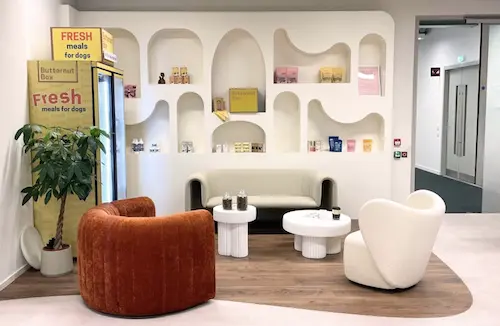
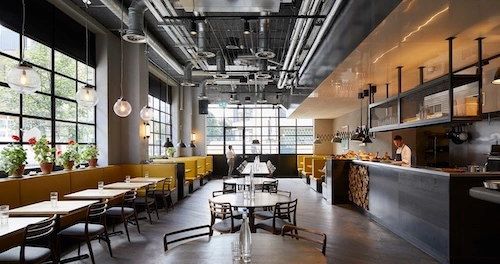
Create an inviting office culture: Focus on making your workplace safe and comfortable. Many employees appreciate a sustainable, thoughtfully-designed office space while they work.
Encourage flexibility: Consider allowing a staggered return or maintaining some remote work options, whether it’s a gradual return to the office, or a permanent hybrid working policy. This flexibility can help ease the transition for your team.
Organise team-building activities: Plan more regular casual check-ins or social events to rebuild relationships and foster a sense of community. This can help alleviate anxiety about coming back. After some ideas? We've got the best team building activities for you right here.
Find an office space that your team want to work in: You’ll want a location that’s easy to access, amenities suited to your employees, decor that complements your brand, and a vibe that matches your company culture. Not sure where to start? We’ve got you covered.
As we navigate the transition back to the office in 2024 and 2025, it’s clear that returning to a physical workspace offers many advantages for startups.
The ability to foster collaboration, strengthen company culture, enhance communication, and improve accountability is crucial for driving innovation and productivity.
While remote work has provided flexibility and safety, returning to the office can reignite the energy and creativity that come from face-to-face interactions.
Finding the right balance is essential.
By prioritising your employees’ well-being and being mindful of their concerns, you can create an inviting environment that supports both individual needs and organisational goals.
This balanced approach not only enhances employee satisfaction but also boosts your startup’s overall performance.
From first office to scale-up headquarters, we have been there.
Secured a 14,000 sq ft CAT A leased HQ at White City Place
Introduced to 3 specialist fit-out partners, including Thirdway
Full market review spanning White City, Hammersmith & Soho
"Much like Butternut Box's brand, the project intent has been to pair a deeply human playfulness with elevated, premium design. Together we've crafted a joyful space which can bring out the best in all users, whether they be two or four legged."
"Tally helped us find our new office at lightning speed. Jules, Laura, and the team are the best at what they do. We wanted a rooftop, natural light, a central location, and a good deal. They got us 10+ solid options within 48hrs and scheduled all the viewings. We found our new space within 2 weeks."
Full market review across serviced, managed and leased office options
Custom layout designed by a workspace specialist - at no extra cost
Secured a self-contained 1,850 sq ft space in Leicester Square
"Tally Workspace exhausted the market and found us just what we were looking for within weeks. They were a breath of fresh air, extremely knowledgeable and helpful, and even assisted with design and fit-out. Very proactive at every stage, like an extension of our own team."
Secured a 2,000 sq ft self-contained HQ in Shoreditch
Workspace designer sourced and managed as part of the service
Used Tally Workspace on-demand between offices
"Tally Workspace has been an incredible help for Sifted. From understanding the office/remote first landscape to finding the right office for all of our requirements."
Shortlisted options across Marylebone, Victoria, Waterloo & Holborn
Secured a 60-desk office with internal meeting rooms in TCR
"You made this whole project smooth and actually enjoyable. You're well connected, which opened up options we wouldn't have found ourselves. I'm confident we would have missed this fantastic opportunity without your help, and you secured us a much better price than we could have achieved directly."
"I'd say it is a no brainer! A win win to use Tally Workspace to find your next space. No additional cost but endless extra value."
Founder & Lightning
"Not only are they very knowledgeable about the market, but they're lovely people to deal with. We're so happy with our final choice and can't wait to move!"
Finance Unlocked
"The space they found was perfect for our team, with loads of amazing breakout space, beautiful meeting rooms and a real emphasis on wellbeing."
Florence
"They got us 10+ solid options within 48hrs and scheduled all the viewings. Highly recommend. We found our new space within 2 weeks."
Cryptio
How Tally Workspace works
Tell us what you need
Team size, budget, location, and deal breakers. We'll ask about the things most people forget too.
searching...
We handle the search
We search our proprietary database then call landlords directly about unlisted spaces. Often back to you within a day.
We handle the detail
Contracts are where most searches fall apart. We review everything and negotiate before you sign.
You move in confident
Best space, best terms, timeline that fits your growth. You know exactly what you're signing.
Tell us what you're looking for
Find an office today
Using our extensive mapping of startup and scaleup office space, find an office that fits your needs and your culture in just a few minutes.



.png)
.png)
.png)