Over 80% of companies support hybrid working for increased productivity and job satisfaction.
Maintaining team cohesion in hybrid setups is a significant challenge.
Effective communication tools and practices are essential for successful hybrid work environments.
Hybrid working is the future of work.
In fact, over 80% of companies believe a hybrid setup is the right path forward, and many organisations are already making the switch.
Splitting time between an office and a remote space might look straightforward, but it brings a fresh wave of considerations that warrant careful attention.
From balancing individual preferences to keeping your culture thriving and using office space efficiently, there’s a lot to think about.
Below, we take a closer look at these challenges and offer practical solutions to help you navigate hybrid working with confidence.
Why hybrid working became so appealing
Across the globe, companies have realised that giving people more choice over where and when they work often leads to higher productivity and greater job satisfaction.
Some do their best thinking at home in a quiet environment; others thrive on face-to-face interaction or need a professional space outside their own four walls.
Hybrid working lets you blend both approaches so your team can enjoy collaboration days in the office and quieter focus time wherever suits them best.
This balance can save on costs, cut down commuting, and open up your talent pool to new locations.
Of course, building a seamless hybrid model takes more than just switching between home and office.
What is the biggest challenge with the hybrid workplace?
Leaders often say their toughest hybrid challenge is keeping the team feeling unified.
When your people aren’t in the same space every day, it’s easy for that sense of shared purpose to slip away.
Some folks might attend meetings in-person while others dial in, and that can lead to unintentional exclusion or missed messages.
Why does cohesion suffer in a hybrid setup?
Inconsistent daily rhythms: With everyone rotating between home and office, those casual interactions and spontaneous chats become harder to catch.
Communication overload: Juggling multiple chat tools, emails, and video calls can leave people feeling swamped and uncertain whether they’re fully in the loop.
Unequal experiences: On-site attendees often have a more natural flow of conversation, while remote colleagues may feel left on the sidelines.
What are the disadvantages of hybrid working?
Every system has potential downsides, and hybrid working is no exception.
Here are some disadvantages that frequently surface (but good news — there are simple ways to solve them):
1. Logistical complexities
Keeping track of who’s coming in and on which day, booking desks, and sorting out meeting rooms can quickly become a headache.
If your team only meets in person a couple of days a week, you might need lockers or storage solutions for everyone’s monitors and personal items.
Add in co-working space bookings for those who need it, and you’ve got quite the scheduling puzzle on your hands unless you have a solid system in place.
2. Uneven employee experience
Not everyone’s set up at home is ideal for productive work.
Junior team members or those without a dedicated workspace may find it tough to focus.
This can lead to irritation or discouragement when some colleagues enjoy smooth, interruption-free days and others struggle with a choppy internet connection or noisy housemates.
If your team rarely occupies the same space, some employees might feel distanced from that core sense of belonging.
It takes extra care and planning to preserve your team’s traditions, values, and social connections when everyone’s on different schedules.
6. Security and compliance
Hybrid models also demand tighter security measures.
In the office, you generally rely on a protected network and corporate firewalls, but personal WiFi setups can be more vulnerable.
Proper training and clear data-protection rules become even more important for a dispersed workforce.
Overcoming everyday hybrid challenges
Challenges don’t resolve themselves, but a bit of strategy and clear policies can make hybrid working run much more smoothly.
Here’s how:
Shared calendars and workspace tools: A user-friendly booking system helps everyone see who’s in the office on which day. This keeps things organised, makes it easy to plan face-to-face collaborations, and ensures meeting rooms or desks aren’t double-booked.
Supportive technology packages: Consider reimbursing the cost of ergonomic furniture, stronger internet, or reliable headsets. This levels the playing field for people with less-than-ideal home setups.
Inclusive meeting practices: Encourage a “remote-first” approach where everyone logs into the meeting from their own device — even if some folks happen to be in the same room. This helps remote attendees feel equally involved.
Clear performance metrics: Evaluate based on outputs and measurable goals, not face-time. When performance is linked to actual contributions, proximity bias fades into the background.
Deliberate culture-building: Mentorship programmes, team celebrations, and fun social initiatives help bond on-site and remote teammates. Virtual coffee breaks and in-person get-togethers — planned for everyone — reinforce that sense of unity.
Team-wide rituals: Daily stand-ups, weekly planning sessions, and informal social meet-ups (all in person or all remote) give everyone consistent touch-points. Some companies pick set “sync days” for everyone to come in together; others run virtual team-building activities to ensure no one is left out. Structured habits build predictability and a feeling of belonging, no matter where people are working.
Town halls and open forums: Make sure senior leadership communicates openly and frequently with the entire workforce. This transparency allows everyone to understand the organisation’s direction and feel included.
Employee-led initiatives: Encourage employees to form interest groups, whether it’s a reading circle, a fitness challenge, or a volunteer project. These groups can meet virtually or in-person, forging connections across departments and geographic locations.
Safeguarding security: Proactive, well-communicated IT policies reduce the risk of breaches and give staff the confidence to work securely from various locations. Consider providing company-managed devices with up-to-date security software, virtual private networks (VPNs) for remote access to internal systems, cybersecurity training sessions to all staff, and multi-factor authentication (MFA) for an additional layer of protection.
Storage solutions: Lockers or secure cupboards allow employees to store monitors, keyboards, or important documents that they don’t want to lug back and forth each day.
Modular furniture: Movable desks and chairs can adapt to changing group sizes. If an entire project team decides to come in, they can quickly configure a convenient layout for collaboration.
Instant branding: Organisations can place digital screens in communal areas to display logos, mission statements, or brand-related imagery. This helps preserve a sense of identity even when the office isn’t in full use every day.
The 5 C’s of hybrid work
A handy way to shape your hybrid approach is by focusing on 5 C’s.
These five dimensions guide you through crafting or refining a flexible model:
Communication: Build consistent, clear, and timely ways to share goals, schedules, and ideas. Mix real-time chats for urgent conversations with asynchronous methods like email or project boards for deeper work.
Collaboration: Provide platforms that let teams brainstorm, share updates, and manage projects together. Make it easy for everyone to chip in, whether that’s through a whiteboard tool or a user-friendly workspace booking system.
Coordination: Keep schedules and workloads in sync. Agree on who’s in the office, who’s working remotely, and how you’ll stay connected. This also covers setting reasonable response times, core hours, and deadlines.
Culture: Cultivate a sense of community. Because it’s harder to bump into each other spontaneously, plan social get-togethers, host transparent leadership updates, and encourage mentorship. Keep the entire team connected, no matter where they’re working.
Care: Recognise that everyone has unique situations and needs. Regularly check in with your team to see how they’re doing. Maybe someone needs better equipment or is feeling a bit isolated — address these concerns proactively so they feel supported.
Practical tips for leaders to overcome the challenges of hybrid working
Here are a few practical ways to set your hybrid strategy on solid footing.
Each tip focuses on removing barriers and giving teams the clarity, tools, and freedom they need to thrive.
1. Define non-negotiables: Agree on must-attend days or events so everyone knows when face-to-face presence is expected.
2. Test, measure, adapt: Run pilot programmes, gather feedback, and adjust as needed. Regular staff surveys can reveal both pain points and bright spots.
3. Empower middle management: Frontline managers handle the day-to-day realities of hybrid work. Equip them with training and decision-making authority so they can fine-tune the approach for their teams.
4. Provide ongoing learning: Hybrid working often calls for new skills and updated tools. Offer training, workshops, or reimbursements to keep your people growing and confident.
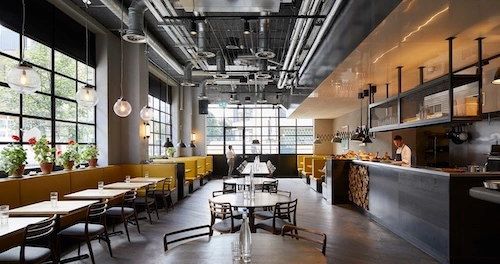
5. Reconsider office design: Look at how your workspace actually gets used. Replace rows of permanent desks with a mix of collaborative areas, quiet corners, and dedicated rooms for private calls.
The future of hybrid work
As experts in flexible office spaces, we’ve seen firsthand how businesses are transforming the way they work.
Here are a few trends we predict will shape the future of hybrid, based on our observations of the office space industry today:
Widespread AI and automation: Intelligent systems that automatically assign desk space or match team members to meeting rooms are on the rise, driven by data on usage patterns and project needs.
Increasing demand for mixed reality: Augmented and virtual reality solutions are making it easier for remote and on-site colleagues to collaborate in more immersive ways — especially when creativity is key.
Heightened focus on well-being:Mental health, social support, and sustainable work environments have taken centre stage. Hybrid setups help people juggle personal obligations, but they also require leaders to actively nurture wellbeing across distributed teams.
Finding the right office space for your hybrid work strategy
Choosing an office that supports a hybrid model is a game-changer.
A traditional full-time lease can mean paying for empty rooms on remote days or scrambling for seats when everyone wants to be on-site.
A well-crafted physical environment goes beyond desks and chairs.
It should boost collaboration, reinforce your brand, and nurture that sense of belonging, even if people only gather in person once or twice a week.
Hybrid working can enhance productivity, lower carbon footprints, and improve staff satisfaction, but it calls for careful planning.
Cohesion, logistics, communication, culture, and security all need attention.
Leaders who set clear guidelines, encourage inclusive collaboration, and invest in the right technology are more likely to unlock the full potential of hybrid setups.
Every organisation will follow its own path, but a deliberate strategy that combines flexibility with unity can keep employees engaged and performance high.
With the right office space and a thoughtful plan, hybrid working stays productive, cost-effective, and brilliantly aligned with your team’s goals.
Written by Jules Robertson
Co-Founder, Tally Workspace
Jules Robertson is the Co-Founder of Tally Workspace, where she leads on commercial strategy, growth, and product development. With a background in strategy consulting and a drive to fix real-world inefficiencies, Jules co-founded Tally Workspace to make the office search process more transparent, modern, and user-friendly for today’s hybrid teams.
From first office to scale-up headquarters, we have been there.
Secured a 14,000 sq ft CAT A leased HQ at White City Place
Introduced to 3 specialist fit-out partners, including Thirdway
Full market review spanning White City, Hammersmith & Soho
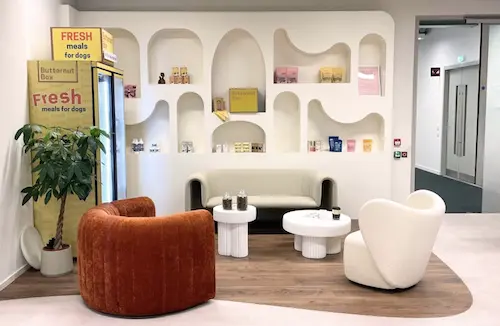
"Much like Butternut Box's brand, the project intent has been to pair a deeply human playfulness with elevated, premium design. Together we've crafted a joyful space which can bring out the best in all users, whether they be two or four legged."
"Tally helped us find our new office at lightning speed. Jules, Laura, and the team are the best at what they do. We wanted a rooftop, natural light, a central location, and a good deal. They got us 10+ solid options within 48hrs and scheduled all the viewings. We found our new space within 2 weeks."
Full market review across serviced, managed and leased office options
Custom layout designed by a workspace specialist - at no extra cost
Secured a self-contained 1,850 sq ft space in Leicester Square
"Tally Workspace exhausted the market and found us just what we were looking for within weeks. They were a breath of fresh air, extremely knowledgeable and helpful, and even assisted with design and fit-out. Very proactive at every stage, like an extension of our own team."
Secured a 2,000 sq ft self-contained HQ in Shoreditch
Workspace designer sourced and managed as part of the service
Used Tally Workspace on-demand between offices
"Tally Workspace has been an incredible help for Sifted. From understanding the office/remote first landscape to finding the right office for all of our requirements."
Shortlisted options across Marylebone, Victoria, Waterloo & Holborn
Secured a 60-desk office with internal meeting rooms in TCR
"You made this whole project smooth and actually enjoyable. You're well connected, which opened up options we wouldn't have found ourselves. I'm confident we would have missed this fantastic opportunity without your help, and you secured us a much better price than we could have achieved directly."
"I'd say it is a no brainer! A win win to use Tally Workspace to find your next space. No additional cost but endless extra value."
Founder & Lightning
"Not only are they very knowledgeable about the market, but they're lovely people to deal with. We're so happy with our final choice and can't wait to move!"
Finance Unlocked
"The space they found was perfect for our team, with loads of amazing breakout space, beautiful meeting rooms and a real emphasis on wellbeing."
Florence
"They got us 10+ solid options within 48hrs and scheduled all the viewings. Highly recommend. We found our new space within 2 weeks."
Cryptio
How Tally Workspace works
Tell us what you need
Team size, budget, location, and deal breakers. We'll ask about the things most people forget too.
searching...
We handle the search
We search our proprietary database then call landlords directly about unlisted spaces. Often back to you within a day.
We handle the detail
Contracts are where most searches fall apart. We review everything and negotiate before you sign.
You move in confident
Best space, best terms, timeline that fits your growth. You know exactly what you're signing.
Tell us what you're looking for
Find an office today
Using our extensive mapping of startup and scaleup office space, find an office that fits your needs and your culture in just a few minutes.



.jpg)
.jpg)
.jpg)
.jpg)