Remote work can negatively impact mental health, causing issues like burnout and isolation.
Flexible workspace solutions can improve mental health outcomes for remote teams.
Regular social interaction and clear work-life boundaries are essential for remote worker wellbeing.
Remote work has shifted from a temporary solution to a permanent fixture in how many of us operate. While the flexibility has its benefits, it has also raised serious questions about mental health — not just for individual team members, but for how organisations support wellbeing long-term.
From loneliness and burnout to blurred work-life boundaries, business owners and operations leads have a vital role to play in shaping healthy remote work experiences. Here's what you need to know.
Does working remotely affect mental health?
Yes, it can — and for many people, it already has. According to research by Nuffield Health, 80% of Brits said working from home negatively affected their mental health. For some, the absence of commuting and the comfort of home have improved wellbeing. But for others, the lack of structure, physical separation, and social interaction has created new stressors.
Mental health challenges associated with remote work include:
The full-time return to office isn’t the only answer. What matters is access to a variety of environments that suit different work styles. That’s where flexible workspace solutions come in — giving your team more choice in how and where they work, while improving mental health outcomes across the board.
Are fully remote workers happier?
Not necessarily. The idea that remote equals happiness is overly simplistic. Fully remote workers report both high satisfaction and high stress — depending on how their role, company culture, and personal preferences align.
The happiest remote workers typically have:
Autonomy over their schedule
Purpose-built workspaces (not just a laptop on the sofa)
In many cases, yes. Loneliness is one of the most common — and most overlooked — challenges of remote work. A TotalJobs survey found that 74% of young workers experienced loneliness during lockdown. But this isn’t just a problem for Gen Z.
People of all ages report a loss of informal chats, shared jokes, and peer support. Video calls serve a purpose, but they don’t replace spontaneous interactions or the sense of being part of something bigger.
Some ways to combat loneliness among remote teams:
Encourage regular social check-ins — not just project updates
Introverts may thrive without the sensory overload of an office. But that doesn’t mean remote work is always better. Just like extroverts, introverts need structure, stimulation, and a sense of connection — they may just prefer it on their own terms.
Some introverts find constant Zoom meetings more draining than in-person chats. Others struggle to make themselves visible and heard in distributed teams. What works best is flexibility: letting people shape their day around when they feel most energised.
For introverts and extroverts alike, having different spaces available — from quiet hot desks to breakout areas — helps create a more sustainable rhythm.
5 ways to support mental health when working remotely
1. Work outside your home when possible
A change of scene can reset your mindset. Whether it’s a coworking space, local library, or day office, getting out of the house helps separate work from home life and boosts motivation.
Exercise is one of the most effective ways to improve mental health. You don’t need a fancy routine — a 20-minute walk at lunch can clear your head and reduce stress.
If your workspace is near a park or gym, consider integrating movement into your day. Some flexible offices even offer on-site fitness amenities to make this easier.
3. Keep up social interaction
Book in a virtual coffee chat. Attend a local meetup. Work from a shared space one day a week. Connection matters, and you don’t have to leave it to chance.
4. Set clear work-life boundaries
Without the natural cues of a commute or office shutdown, it’s easy to work longer than you intended. Set a consistent start and finish time. Avoid working from your bed or sofa. Schedule proper breaks and actually take them.
Working remotely shouldn’t come at the cost of your sleep. Avoid late-night screen time, and don’t use your bedroom as an office. A dedicated workspace — even a small one — can make a big difference to your mental clarity and sleep hygiene.
The role of workspace in remote wellbeing
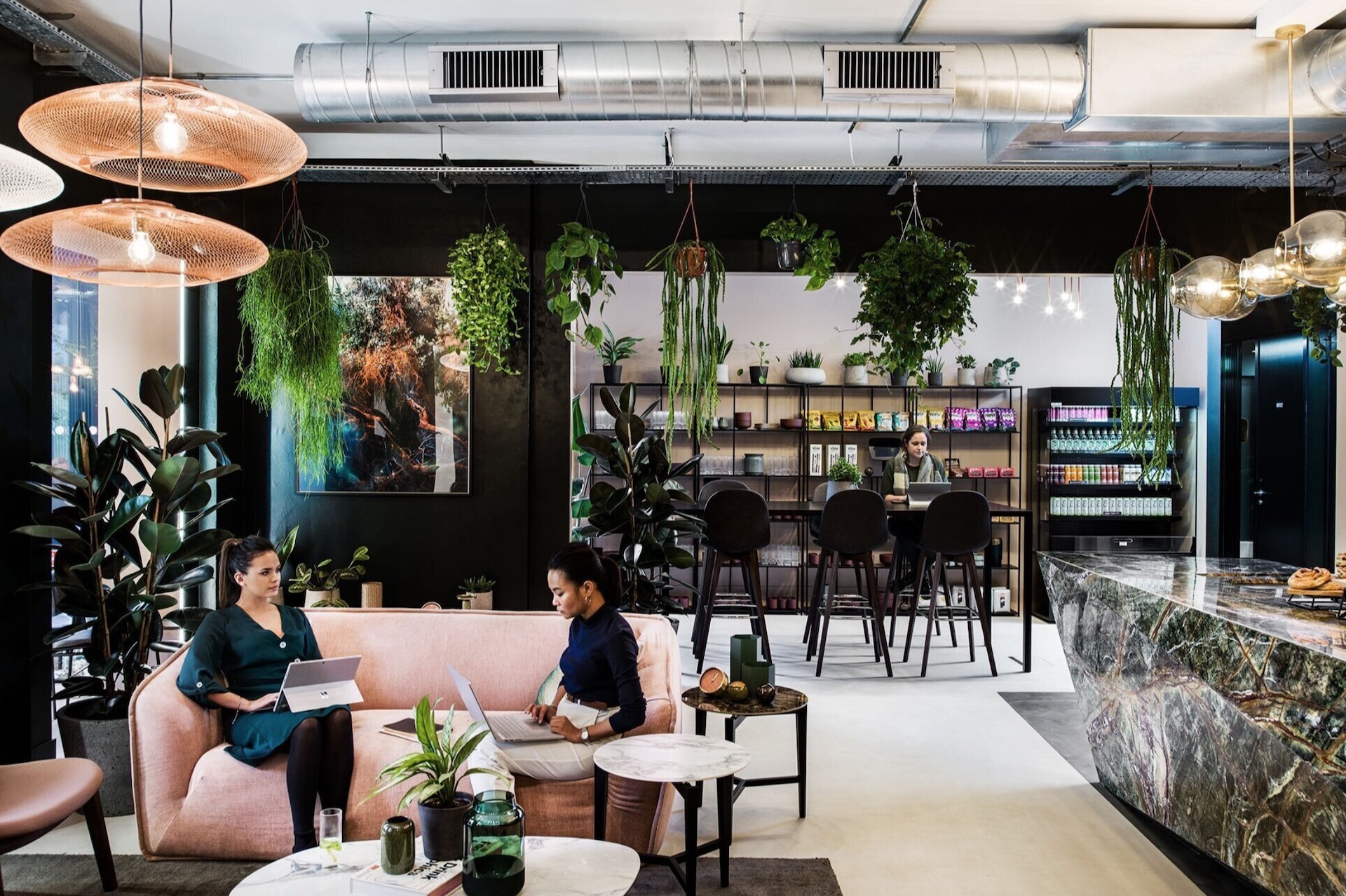
Mental health and workspace design are deeply connected. The physical environments we work in shape how we feel, focus, and function.
If you’re fully remote, providing employees with coworking access or day passes allows them to choose a setup that supports their productivity and wellbeing. For hybrid teams, having a welcoming and well-designed HQ is essential — not just for collaboration, but for identity and belonging.
Businesses that invest in thoughtful, flexible workspace options are better equipped to support mental health and retain great people.
Creating a healthier remote work culture
Remote work is here to stay — but mental health challenges don’t have to be. By creating the right support systems, offering workspace choice, and staying open to what your team needs, you can build a healthier, more sustainable way of working.
Whether you're fully remote, hybrid, or somewhere in between, Tally Workspace helps you find spaces that work for your team — wherever they are.
Talk to our team to learn how Tally Workspace can support your team’s wellbeing through better workspace solutions.
Written by Laura Beales
Co-Founder, Tally Workspace
Laura Beales is the Co-Founder of Tally Workspace, bringing a unique blend of financial expertise and real estate knowledge to the office space industry. A qualified Chartered Accountant, Laura began her career in finance but transitioned into commercial property after experiencing first-hand the inefficiencies and lack of transparency in the market from a customer perspective.
From first office to scale-up headquarters, we have been there.
Secured a 14,000 sq ft CAT A leased HQ at White City Place
Introduced to 3 specialist fit-out partners, including Thirdway
Full market review spanning White City, Hammersmith & Soho
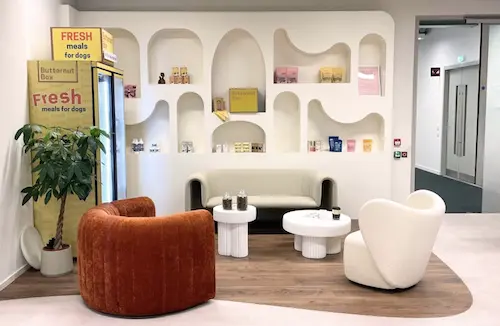
"Much like Butternut Box's brand, the project intent has been to pair a deeply human playfulness with elevated, premium design. Together we've crafted a joyful space which can bring out the best in all users, whether they be two or four legged."
"Tally helped us find our new office at lightning speed. Jules, Laura, and the team are the best at what they do. We wanted a rooftop, natural light, a central location, and a good deal. They got us 10+ solid options within 48hrs and scheduled all the viewings. We found our new space within 2 weeks."
Full market review across serviced, managed and leased office options
Custom layout designed by a workspace specialist - at no extra cost
Secured a self-contained 1,850 sq ft space in Leicester Square
"Tally Workspace exhausted the market and found us just what we were looking for within weeks. They were a breath of fresh air, extremely knowledgeable and helpful, and even assisted with design and fit-out. Very proactive at every stage, like an extension of our own team."
Secured a 2,000 sq ft self-contained HQ in Shoreditch
Workspace designer sourced and managed as part of the service
Used Tally Workspace on-demand between offices
"Tally Workspace has been an incredible help for Sifted. From understanding the office/remote first landscape to finding the right office for all of our requirements."
Shortlisted options across Marylebone, Victoria, Waterloo & Holborn
Secured a 60-desk office with internal meeting rooms in TCR
"You made this whole project smooth and actually enjoyable. You're well connected, which opened up options we wouldn't have found ourselves. I'm confident we would have missed this fantastic opportunity without your help, and you secured us a much better price than we could have achieved directly."
"I'd say it is a no brainer! A win win to use Tally Workspace to find your next space. No additional cost but endless extra value."
Founder & Lightning
"Not only are they very knowledgeable about the market, but they're lovely people to deal with. We're so happy with our final choice and can't wait to move!"
Finance Unlocked
"The space they found was perfect for our team, with loads of amazing breakout space, beautiful meeting rooms and a real emphasis on wellbeing."
Florence
"They got us 10+ solid options within 48hrs and scheduled all the viewings. Highly recommend. We found our new space within 2 weeks."
Cryptio
How Tally Workspace works
Tell us what you need
Team size, budget, location, and deal breakers. We'll ask about the things most people forget too.
searching...
We handle the search
We search our proprietary database then call landlords directly about unlisted spaces. Often back to you within a day.
We handle the detail
Contracts are where most searches fall apart. We review everything and negotiate before you sign.
You move in confident
Best space, best terms, timeline that fits your growth. You know exactly what you're signing.
Tell us what you're looking for
Find an office today
Using our extensive mapping of startup and scaleup office space, find an office that fits your needs and your culture in just a few minutes.