Workplace happiness has a powerful ripple effect. When people feel genuinely good at work, they’re more engaged, more creative, and more likely to stick around. It shapes everything — from how teams communicate to how businesses grow. But happiness doesn’t happen by accident. It’s built through everyday choices, thoughtful leadership, and a culture that puts people first. In this article, we’re digging into why workplace happiness matters — and how you can create it in a way that actually lasts.
What is the workplace happiness model?
The workplace happiness model looks at the fundamental drivers of employee wellbeing, motivation and satisfaction. Most frameworks centre on four interconnected pillars:
- Purpose: Employees need to understand how their work makes a difference.
- Autonomy: People want to feel trusted and empowered to make decisions.
- Belonging: A sense of inclusion and meaningful relationships at work.
- Progress: The opportunity to learn, grow and advance.
This model is the foundation for everything that follows. When employees feel aligned with these principles, happiness isn’t something you have to manufacture — it becomes part of the culture.

10 practical ways to boost workplace happiness
Creating a happier workplace doesn’t always mean big changes — often, it’s the smaller shifts that make the biggest difference. When people feel respected, included, and supported, they’re more likely to thrive. A positive work environment can lift morale, strengthen team bonds, and even improve performance across the board. So, how do you build that kind of culture? Let’s take a closer look.
1. Cultivate a grateful mindset
Gratitude is one of the simplest — and most powerful — ways to boost happiness at work. When we focus on what’s working well, rather than what’s going wrong, it shifts the entire energy of a team. It helps us stay resilient through challenges, appreciate the people around us, and find more meaning in our day-to-day tasks.
This doesn’t mean ignoring frustrations or pretending everything’s perfect. It’s about choosing to notice the good stuff, too. Like the colleague who always has your back in a crisis. Or the thrill of cracking a tricky brief. Or the fact that, even on a tough day, your team still finds something to laugh about. Building a culture of gratitude can be as simple as encouraging people to say thank you more often, or starting team meetings with one thing everyone’s appreciated that week. Some teams set up gratitude walls or shared Slack threads to celebrate the little wins — and it adds up. The best part? Gratitude is contagious. When one person starts expressing it, others usually follow.
2. Embrace breaks in nature
There’s something about being outside that resets the mind in a way nothing else can. Even just a few minutes in natural surroundings — sunlight on your skin, trees rustling in the breeze, birdsong in the background — can ease tension and help you return to work feeling refreshed.
Nature has a powerful effect on our mental health. It lowers cortisol (that’s your stress hormone), boosts your mood, and even improves concentration. That’s why encouraging time outdoors isn’t just a nice-to-have — it’s a smart strategy for workplace wellbeing. Think beyond the occasional lunch al fresco. Could your team take walking meetings instead of sitting in a boardroom? Is there a park nearby where people can step away for 10 minutes of quiet between calls? Even a rooftop terrace or a leafy courtyard can provide that much-needed mental reset. If you’re in the market for a new workspace, nature can be part of the brief. Look for offices with roof gardens, river views, or green space on the doorstep — we’ve even put together a guide to London’s best offices with roof terraces to make your search easier. It doesn’t need to be a full digital detox in the forest. It can start with one mindful walk, one lunch outside, one deep breath. Nature does the rest.
3. Move more during the day
Movement is one of the most effective — and underrated — mood boosters. It improves focus, lifts energy levels, and gives your brain the endorphin hit it craves after a long morning of emails and meetings. You don’t need to run a 10k at lunch to feel the benefits. Even a short walk around the block or stretching between tasks can make a big difference.
Encourage your team to build movement into their day, whether that’s through walking catch-ups, lunchtime yoga sessions, or offering flexible breaks for those who want to nip out for a jog. Standing desks, movement challenges, or onsite fitness classes are also great ways to embed a culture that prioritises wellbeing — without making it feel like a chore.
4. Design a positive workspace
The way a space looks and feels shapes how people show up to work. A cluttered or chaotic environment can lead to stress and distraction, while a thoughtfully designed workspace can help people feel calm, focused, and inspired.
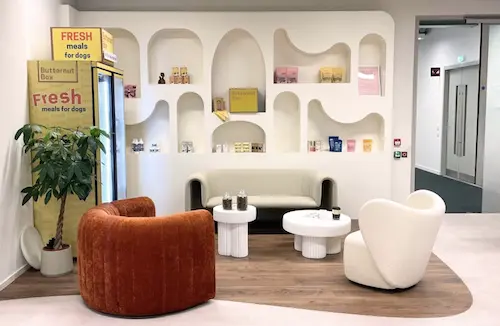
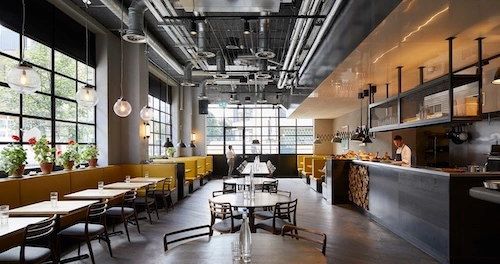
Start with the basics: clear away unnecessary clutter, keep things organised, and create systems that make it easy to stay on top of things. Then, think about the atmosphere. Plants, natural light, soft lighting, and even pops of colour can all contribute to a sense of calm. Let people personalise their own space with meaningful objects or images — it helps build a sense of ownership and comfort.
5. Use music strategically
Music can completely change the energy of a space — and in an open-plan office, that matters. While silence helps some people focus, others feel more productive with background tunes or familiar playlists.
Let your team choose what works for them. That might mean using headphones for deep focus, or creating a shared playlist for a more social atmosphere. Consider using music to set different vibes throughout the day: upbeat tracks in the morning, mellow ones in the afternoon, or even theme days (yes, '90s throwback Thursday counts). Used thoughtfully, music is more than just background noise — it’s a tool for mood management, motivation, and making the day feel just that little bit lighter.
6. Keep healthy snacks accessible
“Hanger” (hunger + anger) is real — and it's not doing your team any favours. When blood sugar crashes, focus drops, patience wears thin, and energy slumps. Stocking the kitchen with brain-friendly snacks helps everyone stay sharp and satisfied.
Opt for things like fruit, unsalted nuts, oatcakes, hummus, yoghurt, and wholegrain options. These fuel the brain, support concentration, and help avoid that dreaded mid-afternoon crash. It’s a small gesture that goes a long way towards making people feel cared for — and ready to power through the rest of the day.
7. Connect with feedback
It’s easy to get lost in the day-to-day and forget the impact your work is having. That’s why sharing real feedback — especially from clients or customers — is such a powerful motivator.
Whether it’s a glowing review, a kind message, or a thank-you email, hearing how your work has made a difference reinforces a sense of purpose. Make it a habit to pass these on in team meetings or newsletters. And don’t shy away from constructive feedback either — when approached with openness and trust, it becomes an opportunity for learning and growth. The goal is to keep the connection between the work and the people it helps — because that’s where meaning lives.
8. Celebrate wins together
Recognition doesn’t have to be grand to be meaningful. Celebrating progress — whether that’s a project milestone, a client success, or just making it through a hectic week — boosts morale and creates a sense of shared achievement.
Build it into your team culture: try Friday shout-outs, a shared ‘weekly wins’ board, or short end-of-month roundups. Consistent, genuine recognition helps people feel seen and valued — and that has a lasting impact on happiness, loyalty, and motivation.
9. Allow for customisation
We all work differently. Some of us love dual monitors and digital sticky notes; others need a quiet corner and a proper notebook. Giving people flexibility to shape their setup — both physically and digitally — goes a long way in helping them feel in control of their workday.
That might mean letting people decorate their desks, choose their tools, or adjust their schedules. For remote and hybrid teams, it’s worth checking out our round-up of remote working tools for growing teams to help everyone stay connected and productive in a way that works for them. Autonomy breeds motivation — and when people feel trusted to choose how they work best, they show up with more energy and focus.
10. Make time for meaning
Sometimes, happiness isn’t about perks or productivity. It’s about knowing your work matters.
Create space for your team to reflect on the impact of what they do — whether that’s through quarterly impact reports, client stories, or short presentations where teams share what they’ve achieved. Even a five-minute conversation can reconnect people to the bigger picture. This isn’t just good for morale — it’s good for retention, too. When people understand the “why” behind their work, they’re more likely to stay engaged, committed, and fulfilled long term.

Supporting hybrid teams and remote happiness
Happiness doesn’t disappear when people leave the office. But without proactive steps, it can fade. Here’s how to keep things positive across remote and hybrid teams:
- Set clear expectations around working hours, communication and responsiveness.
- Encourage informal check-ins — chat doesn’t need to be only about work.
- Celebrate wins in shared online spaces.
- Ensure remote workers are visible when it comes to development opportunities.
Our breakdown of challenges of hybrid working and how to solve them offers more practical advice for making flexibility work for everyone.
The role of leadership in workplace happiness
Culture flows from the top. If you’re in a leadership role, your influence over team morale is significant. Leaders who show vulnerability, listen actively, and recognise contributions set the tone for trust and positivity.
But it’s also about the space you provide. Flexible office strategies that prioritise wellbeing can boost both happiness and productivity.
Create a happier workplace with Tally Workspace
Workplace happiness isn't a tick-box exercise. It's about intentional design — of space, culture, and daily habits. Whether you're managing a remote team or searching for an office that matches your team's personality, we can help.
Tally Workspace supports teams to find and create spaces that feel good to work in. From private offices to flexible coworking, we’ll help you create a workplace that works. Talk to our team to find out how we can find an office space that boosts your workplace happiness today.