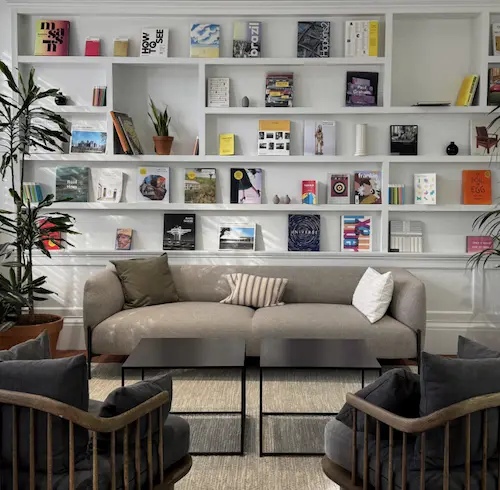

Dynamic office seating is about matching desks and zones to the way your team actually works, instead of fixing everyone to one spot. In this guide we define dynamic office design, show how to use different seating zones for focused work and collaboration, and outline where it genuinely cuts space and costs for hybrid teams.
Dynamic office spaces are no longer a trend — they’re a necessity in today’s workplace environment.
As hybrid work becomes the norm and employee satisfaction takes centre stage, static office setups just don’t cut it anymore.
For business owners and operations professionals, embracing a dynamic office isn’t just about keeping up; it’s about leading the charge in creating spaces that boost productivity, reduce costs, and keep your team engaged.
Research backs it up: businesses that pivot to dynamic office designs not only see happier employees but also save money while slashing their space needs by 30%.
And it’s not just about space efficiency.
These flexible layouts are proven to improve collaboration, adaptability, and overall well-being.
In short, a dynamic office can transform your workspace into a thriving, functional hub for the modern workforce.
So, whether you’re rethinking how to use your existing office or planning a total redesign, this blog will guide you through everything you need to know about dynamic office seating and design — and how it could be the smartest move you make this year.
What is dynamic office design?
Dynamic office design is all about flexibility and adaptability.
Instead of sticking to rigid, one-size-fits-all layouts, it transforms static workspaces into environments that evolve with the needs of your team.
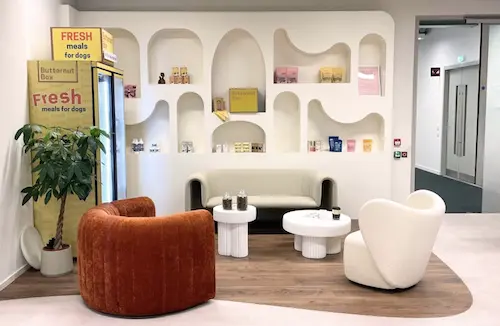
Think modular furniture, open layouts, and activity-based zones that cater to focused work, collaboration, and everything in between.
It’s designed to reflect the way we work today — especially with hybrid models becoming the norm.
Unlike traditional office layouts, which often prioritise fixed desks and closed-off spaces, dynamic offices are built for agility.
They’re designed to accommodate different tasks, team sizes, and even moods.
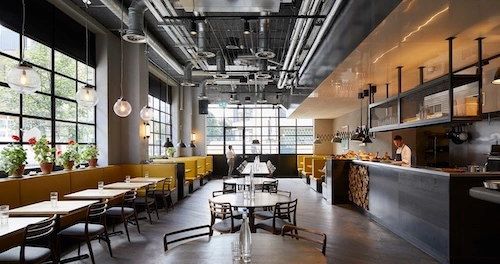
Whether it’s hot desking, breakout areas, or quiet zones, the goal is to empower employees to choose the workspace that helps them do their best work.
Companies like Google and Microsoft have embraced this approach, incorporating biophilic design and flexible seating to create environments that foster creativity and collaboration.
For instance, Google’s offices are known for their mix of open spaces, private pods, and nature-inspired elements — all aimed at keeping employees inspired and productive.
If you’re looking to optimise your office, a dynamic design isn’t just about looking trendy — it’s about creating a space that works harder for your business.
By prioritising flexibility, you can boost collaboration, adapt to hybrid work demands, and even cut costs on unused space.
.jpg)
Benefits of a dynamic office
Dynamic offices don’t just look good — they deliver tangible benefits for both businesses and employees.
Whether you’re navigating hybrid work, looking to cut costs, or simply want a happier, more productive team, dynamic office design can be a game-changer. Here’s why:
1. Improved collaboration and communication
Dynamic layouts encourage face-to-face interactions, which are proven to boost team creativity and productivity.
Flexible seating arrangements and shared spaces make it easier for employees to connect, brainstorm, and solve problems together.
Research shows that proximity to coworkers directly enhances teamwork, especially in knowledge-based roles.
2. Adaptability for hybrid work
With hybrid models now the norm, a one-size-fits-all office simply doesn’t cut it.
Dynamic offices are designed for adaptability, offering zones tailored for focused work, collaborative meetings, or casual catch-ups.
Employees can choose the space that suits their task, making your office a hub for productivity and innovation.
3. Increased employee well-being and engagement
A thoughtful dynamic office prioritises employee well-being with elements like natural light, noise control, and ergonomic furniture.
These features are proven to reduce stress, boost satisfaction, and create an environment where people actually enjoy working.
Happy employees are engaged employees—and that’s a win for everyone.
4. Cost-efficiency
Why pay for space that goes unused?
Dynamic offices optimise space usage, reducing underutilised areas by up to 30%.
This translates to significant savings on real estate while maintaining a functional, inviting workplace.
Dynamic office design is more than just a trend; it’s a strategic move to future-proof your workplace.
By investing in flexibility, you’re not just optimising your space — you’re empowering your people and setting your business up for success.
How does dynamic seating improve productivity?
Dynamic seating is all about giving employees the freedom to choose where and how they work.
Think hot desking, activity-based zones, or even sit-stand desks.
These setups empower people to pick the right space for the task at hand — whether that’s brainstorming in a collaborative zone, focusing in a quiet corner, or catching up on emails at a standing desk.
Here’s why that matters: according to recent research, 83.78% of employees say sitting near their team improves collaboration.
Proximity fosters real-time problem-solving and creativity, helping teams stay efficient and productive.
And it’s not just about teamwork — having the option to shift to a quieter area or ergonomic setup boosts concentration and reduces fatigue, especially for individual tasks.
But what about concerns like losing personal space?
It’s a common hesitation, especially for those used to fixed desks.
The solution? Customisable setups.
Modular furniture, lockers for personal items, and clearly defined zones help strike a balance between flexibility and a sense of ownership.
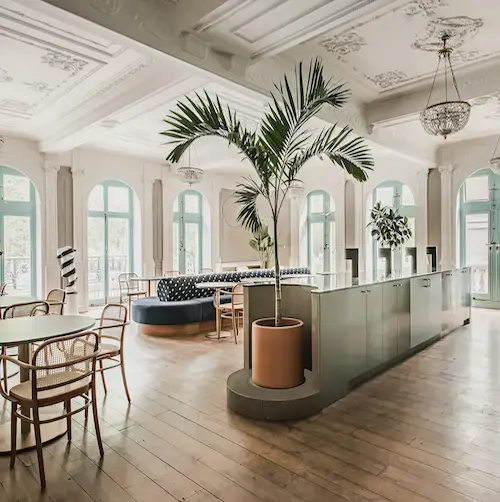
Adding biophilic elements like plants or natural light can also make shared spaces feel more inviting and less impersonal.
Dynamic seating isn’t just a seating shuffle; it’s a productivity booster.
By aligning workspaces with tasks and team needs, businesses can create an environment where employees feel more engaged, collaborative, and supported.
It’s a simple shift with powerful results — better morale, sharper focus, and a workplace that truly works for everyone.
.jpg)
Key design elements of a dynamic office
Designing a dynamic office isn’t just about rearranging desks — it’s about crafting a space that flexes with your team’s needs and drives productivity.
Let’s break down the essential elements:
Flexible layouts and dynamic seating
Flexibility starts with how spaces and seating are designed to serve multiple purposes.
Dynamic office seating — like hot desking, activity-based zones, and collaborative seating — ensures employees can choose a space that fits their task at hand.
For example, quiet zones cater to focused work, while open seating areas encourage collaboration.
Modular layouts further enhance adaptability by allowing spaces to transform; a breakout area can double as a meeting zone with the right seating configurations.
This approach not only boosts efficiency but also ensures everyone has a workspace that suits their needs.
Technology integration
The right tech makes flexibility seamless.
Desk booking apps, occupancy sensors, and virtual collaboration tools empower employees to navigate hybrid schedules with ease.
Tools like these remove the guesswork and keep your office running smoothly, even when everyone isn’t on-site.
Ergonomic and modular furniture
Comfort is key to productivity.
Invest in height-adjustable desks, ergonomic chairs, and modular furniture that adapts to various setups.
This ensures every workspace is optimised for health and focus, whether it’s for solo tasks or collaborative efforts.
A smooth transition
Change can be daunting, so involve your team early.
Gather input on design priorities, communicate timelines clearly, and offer tours or training on new tech.
The more inclusive the process, the smoother the adjustment.
Dynamic office design and seating in the real world
Here are some inspiring real-world examples that show how flexibility in design and seating can transform workplaces:
Tech sector: Google’s modular creativity hubs
Google is famous for its innovative office spaces, which are designed to spark creativity and reduce stress.
By using modular furniture and integrating biophilic elements like live plants and natural light, Google creates an environment that adapts to employees’ needs.
Whether it’s brainstorming in a collaborative pod or relaxing in a green-filled quiet zone, the setup fosters productivity and well-being.
Finance sector: Activity-based flexibility in accounting firms
In the finance world, dynamic office design is about blending functionality and cost-efficiency.
Many accounting firms now use activity-based flexible offices (AFOs), which reduce space requirements by up to 30%.
These designs include shared workspaces, quiet zones, and collaboration hubs, ensuring teams can switch seamlessly between tasks.
The results? Enhanced teamwork, improved space utilisation, and significant cost savings.
Education sector: Adaptive seating in hybrid classrooms
Even the education sector has embraced dynamic design.
During COVID-19, many hybrid classrooms adopted adaptable seating plans to maintain safe distances while fostering collaboration.
Using flexible layouts, they balanced infection control with productivity, ensuring students could interact safely and effectively.
Dynamic office design offers more than just aesthetic appeal — it’s a strategic solution to meet the evolving demands of modern work.
By embracing adaptable layouts, flexible seating, and employee-centric features, businesses can create environments that fuel creativity, enhance well-being, and drive measurable results.
The shift to hybrid models and the growing emphasis on employee satisfaction make this approach a smart investment.
Beyond fostering collaboration and focus, dynamic offices optimise space and reduce costs, offering both immediate and long-term benefits.
Companies across industries are proving that reimagined workspaces lead to engaged, productive teams.
Now is the time to step back and rethink your workspace.
Are your office areas working as hard as your team does?
Small changes can lead to big improvements in morale, efficiency, and overall performance.
Let’s reimagine your office together — get in touch with our team of office space experts.