We'll search the whole market, including spaces not publicly listed, and come back with a shortlist that actually fits.
The Tally Workspace difference
We'll search the whole market, including spaces not publicly listed, and come back with a shortlist that actually fits.
AI-updated, full market access
Live availability from our database, plus spaces that never make it onto public listings
Free to you
Operators pay us. You get expert help at no cost
Best deal guaranteed
We flush out hidden costs and negotiate you the best deal
Free expert help
A dedicated specialist handles your search from day one
All Articles/Office Space Planning: A Complete Guide for Modern Workplaces
Advice
5 min read
Office Space Planning: A Complete Guide for Modern Workplaces
Office space planning made practical: clear steps, layouts, and UK standards to boost collaboration, wellbeing and space utilisation in a hybrid world.
Senior Advisor - Commercial Real Estate, Tally Workspace
Published 22 Sep 2025·Updated 7 Oct 2025
Key Takeaways
Office space planning should reflect how teams work, focusing on productivity and wellbeing.
Designs should balance collaboration and privacy to support hybrid working needs.
Future flexibility in office layouts is essential for accommodating growth and change.
Planning an office isn’t just about where the desks go — whether you’re fitting out office space in Fitzrovia or a suburban hub, it’s about creating a space that reflects how your team actually works. Whether you’re moving into a new building, rethinking your current layout, or adapting to hybrid working, office space planning gives you the chance to boost productivity, improve wellbeing, and make better use of every square foot.
What is office space planning?
Office space planning is the process of designing and arranging a workplace to support the way people actually work. From open-plan office space in Farringdon to quiet private suites, it involves creating a plan that balances efficiency, collaboration, comfort, and flexibility. Done well, it reflects your company culture, meets office space requirements, and anticipates future needs.
In the past, planning meant lining up desks in rows for a standard 9–5. Today, it’s about creating spaces where people want to be. With hybrid working, the office is less about routine admin tasks (which many complete at home) and more about collaboration, creativity, and connection. Modern office planning embraces this shift, blending professional function with a homely, welcoming atmosphere.
The foundations of effective office space planning lie in three things: clear guidance on how the layout should function, sensible standards that set expectations for space and accessibility, and a well-thought-out plan that not only works today but can adapt as your business grows.
How to layout an office space
A good office layout is intentional. Every department, corridor, and workstation should be there for a reason. When planning to plan office space, these are the main factors to consider:
Workflow and circulation patterns
Think about how people move through the office — especially in central London office space where every square foot counts. Pathways should feel intuitive and efficient, minimising congestion and wasted time. Good circulation also ensures compliance with health and safety standards. For example, wide routes to emergency exits and accessible walkways support both safety and inclusivity.
Department adjacencies
Office planning isn’t just about furniture. It’s about relationships. Place teams that work closely together near each other. For example:
Marketing next to Sales for fast collaboration.
Finance near leadership for decision-making support.
HR in a central, approachable location.
These decisions make communication faster and more natural, reducing unnecessary emails and meetings.
Privacy and collaboration needs
Hybrid working has changed how offices are used. Now, they’re often reserved for team collaboration, brainstorming sessions, and project meetings. But private areas are still vital. A strong office plan provides both:
Open areas for teamwork.
Focus pods or small rooms for individual concentration.
Flexible furniture layouts that adapt to changing needs.
Acoustic considerations
Noise is one of the biggest complaints in open-plan offices. Acoustic planning includes:
Sound-absorbing panels or materials.
Quiet zones away from high-traffic areas.
Strategic placement of meeting rooms to prevent spill-over noise.
This balance helps create an environment where employees can collaborate without disturbing others.
Natural light and views
Maximising natural light boosts wellbeing, productivity, and mood. Position desks near windows whenever possible. Use interior spaces for shared amenities or meeting rooms. Views of the outdoors are highly valued in modern office space planning, so make sure these aren’t blocked by unnecessary partitions.
Future growth potential
The best office layouts are flexible. Build in room for:
Additional desks or hot-desking stations.
Technology upgrades.
Departmental changes as teams grow or restructure.
This forward-thinking approach avoids expensive redesigns and minimises disruption.
Office space planning guidelines to follow
When creating an office space plan, keep these office space standards and guidelines in mind:
Desk space: Around 4–5m² per workstation is typical.
Meeting rooms: Provide a range of small, medium, and large spaces to suit different needs.
Breakout areas: At least 10–20% of your total space should support informal collaboration.
Circulation: Allow at least 20–30% of floor area for corridors, pathways, and movement.
Accessibility: Follow Equality Act requirements to ensure the space is accessible to all.
These figures aren’t strict rules but helpful benchmarks when planning to plan office space.
The way you plan your office has a direct effect on how your business runs day to day. From team productivity to long-term costs, smart planning shapes more than just the space — it shapes how your people feel and work together.
Workflow efficiency: A well-planned office makes daily work smoother. Clear circulation patterns reduce bottlenecks, while thoughtful layouts minimise the time wasted moving between departments.
Collaboration and creativity: Designated zones for teamwork, complete with whiteboards, flexible seating, and technology, encourage idea-sharing and innovation.
Space utilisation: Planning helps identify underused areas. These can be converted into collaborative zones, storage, or wellbeing spaces, ensuring every square foot works hard for your business.
Cost control: Maximising space efficiency helps reduce real estate costs. Avoid paying for wasted space by ensuring your office space plan is fit for purpose.
Employee wellbeing: The modern workplace feels less corporate and more like an extension of home. Softer lighting, greenery, and comfortable furniture all contribute to a space where employees feel relaxed, valued, and motivated.
Future flexibility: Office planning should always consider growth. If your workforce expands, your space should adapt without major disruption.
Culture and brand: Your office reflects your company’s values. A well-designed space communicates professionalism, creativity, or community — whatever matters most to your brand.
Office space planning in the hybrid era
The shift to hybrid working has transformed office space requirements. The office is no longer a daily destination for routine tasks. Instead, it’s a hub for:
Collaboration: Workshops, team meetings, brainstorming sessions.
Connection: Social catch-ups, shared lunches, team-building activities.
Projects: Intensive sprints where face-to-face communication is essential.
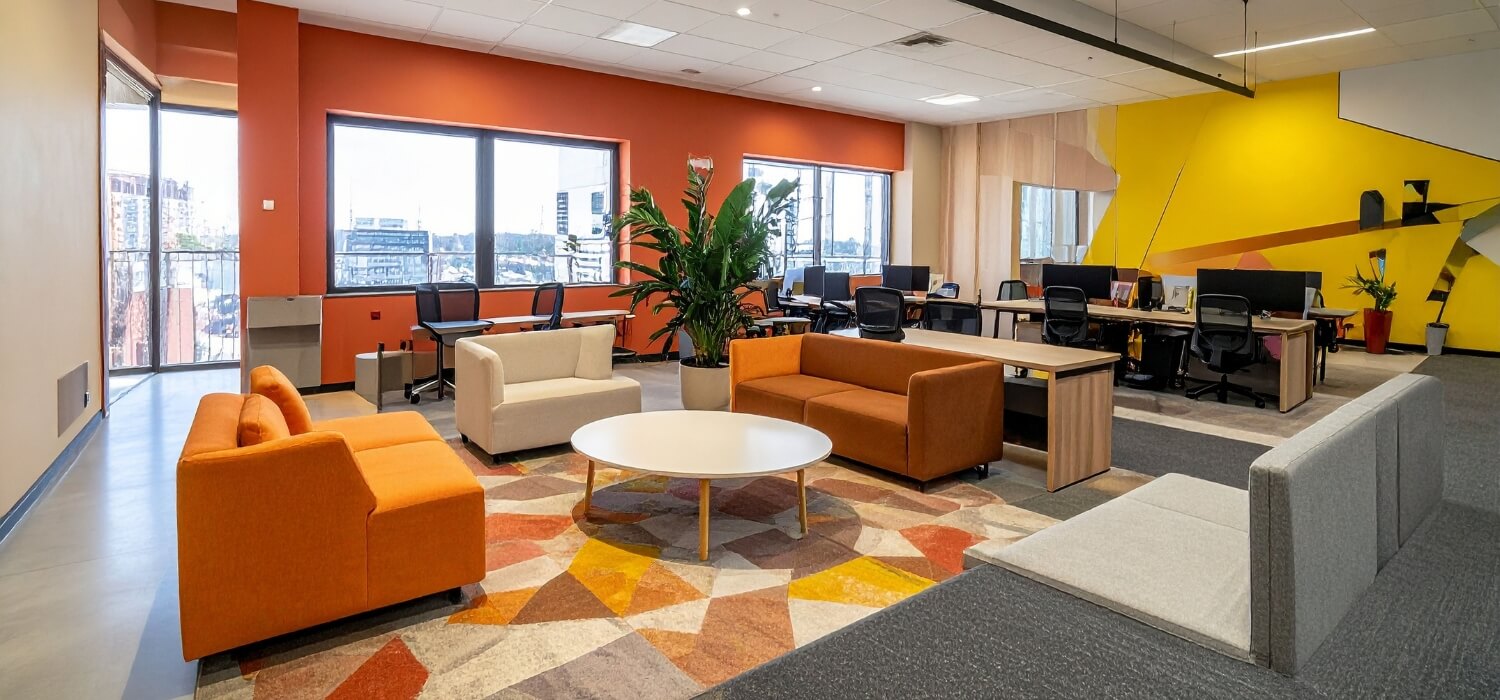
This means more flexible layouts, fewer rows of desks, and more multipurpose areas. Softer design touches — warm lighting, natural materials, and plants — make the office feel welcoming, encouraging people to use the space when they’re in.
Practical steps for creating an office space plan
Turning ideas into a workable office layout can feel overwhelming, but breaking it down into clear steps makes the process manageable. Here’s how to move from big-picture goals to a plan that actually works in practice.
Define objectives – What’s the main purpose of your office? Hybrid collaboration? Client-facing professionalism? Staff wellbeing?
Assess requirements – How many employees will use the space at once? What are your office space requirements per person and department?
Engage employees – Gather feedback on what’s working and what’s not. This ensures your plan supports real needs.
Map adjacencies – Place teams logically based on their interactions.
Plan circulation – Design pathways that are wide, clear, and intuitive.
Incorporate variety – Blend open zones, private areas, meeting rooms, and wellbeing spaces.
Factor in technology – Ensure strong connectivity and consider AV equipment for hybrid meetings.
Allow for flexibility – Modular furniture and adaptable layouts make change easier.
Review compliance – Check your plan against office space standards and guidelines UK.
Test and adjust – Trial your layout and tweak it as feedback comes in.
Common mistakes to avoid in office planning
Even the best office layouts can fall short if key details are overlooked. Knowing the most common mistakes in office planning helps you sidestep them and create a space that really works.
Overcrowding desks and ignoring circulation space.
Neglecting acoustics, leading to distracting noise levels.
Failing to provide enough private areas for focused work.
Blocking natural light with partitions or storage.
Designing without considering future growth or hybrid working needs.
Why professional office space planning is always worth it
While it’s possible to create a basic office space plan yourself, professional planners bring expertise in ergonomics, compliance, and design. They can anticipate challenges, integrate brand identity, and help ensure your investment supports your long-term business goals.
Professional planning reduces the risk of costly mistakes and delivers a workplace that employees actually enjoy using.
Office space planning has never mattered more. The way we work has changed, and so have office space requirements. A well-planned workplace isn’t just efficient — it’s collaborative, flexible, comfortable, and aligned with your company’s culture.
By following office space planning guidelines and considering both workflow and human impact, you can design a space that supports your team today and adapts to whatever comes next.
And if you’d like expert help creating your own office space plan, Tally Workspace can guide you. We specialise in finding workspaces that fit your people, your culture, and your growth plans.
Explore office space in London
Priority neighbourhoods with deep coverage across the city.
Senior Advisor - Commercial Real Estate, Tally Workspace
With 9 years in the commercial real estate industry, Harry Hopson is a seasoned expert in office leasing, tenant representation, and workplace strategy. As a Senior Advisor at Tally Workspace, Harry brings a wealth of experience from across the property sector, having worked with landlords, occupiers, and businesses ranging in size from start ups to multinational conglomerates.
From first office to scale-up headquarters, we have been there.
Secured a 14,000 sq ft CAT A leased HQ at White City Place
Introduced to 3 specialist fit-out partners, including Thirdway
Full market review spanning White City, Hammersmith & Soho
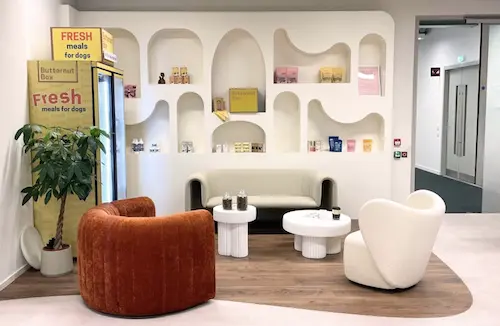
"Much like Butternut Box's brand, the project intent has been to pair a deeply human playfulness with elevated, premium design. Together we've crafted a joyful space which can bring out the best in all users, whether they be two or four legged."
"Tally helped us find our new office at lightning speed. Jules, Laura, and the team are the best at what they do. We wanted a rooftop, natural light, a central location, and a good deal. They got us 10+ solid options within 48hrs and scheduled all the viewings. We found our new space within 2 weeks."
Full market review across serviced, managed and leased office options
Custom layout designed by a workspace specialist - at no extra cost
Secured a self-contained 1,850 sq ft space in Leicester Square
"Tally Workspace exhausted the market and found us just what we were looking for within weeks. They were a breath of fresh air, extremely knowledgeable and helpful, and even assisted with design and fit-out. Very proactive at every stage, like an extension of our own team."
Secured a 2,000 sq ft self-contained HQ in Shoreditch
Workspace designer sourced and managed as part of the service
Used Tally Workspace on-demand between offices
"Tally Workspace has been an incredible help for Sifted. From understanding the office/remote first landscape to finding the right office for all of our requirements."
Shortlisted options across Marylebone, Victoria, Waterloo & Holborn
Secured a 60-desk office with internal meeting rooms in TCR
"You made this whole project smooth and actually enjoyable. You're well connected, which opened up options we wouldn't have found ourselves. I'm confident we would have missed this fantastic opportunity without your help, and you secured us a much better price than we could have achieved directly."
"I'd say it is a no brainer! A win win to use Tally Workspace to find your next space. No additional cost but endless extra value."
Founder & Lightning
"Not only are they very knowledgeable about the market, but they're lovely people to deal with. We're so happy with our final choice and can't wait to move!"
Finance Unlocked
"The space they found was perfect for our team, with loads of amazing breakout space, beautiful meeting rooms and a real emphasis on wellbeing."
Florence
"They got us 10+ solid options within 48hrs and scheduled all the viewings. Highly recommend. We found our new space within 2 weeks."
Cryptio
How Tally Workspace works
Tell us what you need
Team size, budget, location, and deal breakers. We'll ask about the things most people forget too.
searching...
We handle the search
We search our proprietary database then call landlords directly about unlisted spaces. Often back to you within a day.
We handle the detail
Contracts are where most searches fall apart. We review everything and negotiate before you sign.
You move in confident
Best space, best terms, timeline that fits your growth. You know exactly what you're signing.
Tell us what you're looking for
Find an office today
Using our extensive mapping of startup and scaleup office space, find an office that fits your needs and your culture in just a few minutes.