Activity Based Working (ABW) promotes flexibility and adaptability in office design to meet diverse employee needs.
ABW can reduce office space costs by creating more efficient designs.
Implementing ABW can enhance productivity and employee satisfaction through workspace choice.
Post covid there has been a big movement in how offices are designed - partly as companies had time to reset and rethink their office design and start afresh. But also because people had time to reflect on what the motivations for getting their team back into the office were. If you want your team in the office to collaborate then you need spaces conducive to this (not just a bank of desks) equally, if your team need to focus they need a proper quiet space to do so.
This has led to a huge uplift in offices designed with “Activity based working” (ABW) in mind by this I mean an office design that lets employees choose different workspaces suited to the task they are working on, the aim being to enhance productivity whatever they are focusing on. Unlike the traditional workplace, which often promotes sedentary behavior and inflexible setups, ABW offers various settings for collaboration, focus, and informal meetings. This article covers the benefits of ABW, its principles, and tips for designing an ABW office.
Key Takeaways
Activity Based Working (ABW) is all about creating the best work environment for the type of work someone is doing e.g. phone booths for quiet calls or open group spaces for collaboration sessions. In today's working environment, flexibility and adaptability are crucial to meet the diverse needs of employees.
ABW can create much more efficient office space designs, ultimately reducing the square footage required (not all tasks require a 1.4m desk…) and therefore the cost of the office space.
ABW should increase productivity, and enhance employee satisfaction, as employees feel like they have a choice in how they work and can choose an environment that brings out the best in them.
Activity-based working means recognising different types of work environments for different work types
Understanding Activity Based Working (ABW)
Activity Based Working (ABW) is all about thinking about the types of work that people need to do and their personal preferences for how they work and designing the office around this. This shift requires moving away from a traditional work culture that prioritises fixed, desk-based setups. Conventional office design assumes that all work should be desk-based and in a fixed setting whereas ABW takes into consideration personal choice and flexibility.
ABW empowers individuals to select their work location depending on the nature of their task—be it team collaboration projects, concentrated solo tasks or casual discussions.
Key principles of ABW
Activity Based Working (ABW) revolves around three fundamental principles: flexibility, autonomy, and adaptability.
Flexibility provides employees with the freedom to select workspaces that align with their current tasks, promoting a more efficient working environment.
Autonomy means there are no assigned desks. Instead, employees have the liberty to choose spaces that best fit their specific requirements.
Adaptability in this context refers to an environment designed to accommodate different work styles and activities so people can perform
Designing an Activity Based Office
Crafting an ABW (Activity-Based Working) office requires thought and an understanding of how different teams in your business work together and apart.
It’s crucial for an ABW office space to feature a multitude of work settings, including but not limited to:
1. Phone booths for confidential conversation2. Cozy seating suitable for informal gatherings3. Specialised zones geared towards collaborative work; and 4. Quiet zones perfect for concentrated tasks.
These four space types are a good basis for building out an office design that incorporates different types of areas for different work types that employees do everyday.
The aesthetic design within an ABW workspace significantly influences the ambience across different functional areas.
Sensory elements like lighting, colour palettes, and furniture selections help to make clear to employees what the different environments are designed for. They also help create a cohesive environment that reflects the company’s brand. A well-designed office should not only support productivity but also create a sense of belonging, making employees feel connected to a larger purpose.
Branded office space, with elements that align with your companies values can make employees feel like they are part of something bigger.
For example, think about your brand values and how do these align with different types of work within your office? If collaboration is a core value, you could highlight it in shared spaces designed for teamwork. Visual cues, messaging, or design elements in these areas can reinforce the company’s culture and purpose, making the workspace feel more intentional and connected to your brand identity.
Technology for ABW and more efficient use of office space
Effectively integrating technology into multipurpose workspaces is key to ensuring a smooth transition between different types of work areas. For example, equipping collaboration zones with wireless presentation screens and video conferencing tools makes it easy for teams to brainstorm and connect with remote colleagues. Meanwhile, quiet focus areas can benefit from noise-cancelling booths and adjustable lighting to create an environment suited for deep work.
For businesses looking for office space in London, making the most of every square foot is essential. Integrating technology effectively can make a smaller office space more adaptable, allowing it to serve multiple functions without feeling cramped or inefficient. For example, smart booking systems for desks, meeting rooms, and phone booths ensure that spaces are used efficiently and aren’t left empty when they could be repurposed.
Modular technology, such as movable video conferencing screens and wireless presentation systems, allows a meeting room to function as a private workspace in the morning and a collaborative brainstorming area in the afternoon. Height-adjustable desks and mobile charging stations mean that workstations can easily transition from individual focus areas to shared team spaces.
Acoustic technology, such as sound-masking systems and retractable partitions, helps create temporary quiet zones within open-plan areas, making it easier to balance collaboration with deep work. Additionally, smart lighting and climate control systems adjust settings based on occupancy, ensuring that different areas feel comfortable for their intended use at any given time.
By using the right technology, even a compact office can be transformed into a flexible, multifunctional environment that supports a variety of working styles without compromising efficiency or comfort. Whether you’re optimising an existing workspace or starting an office space search, investing in adaptable technology can help create an office that works smarter for your team.
Inclusive Work Environments for a Diverse Workforce
An Activity-Based Working (ABW) office should be designed to accommodate a wide range of working styles, including the needs of neurodiverse employees and individuals with different accessibility requirements. A well-planned office provides a variety of spaces tailored to different sensory and cognitive preferences, ensuring that every employee can find an environment where they feel comfortable and productive.
For those who thrive in quiet, low-stimulation settings, dedicated focus areas with soundproofing, dimmable lighting, and minimal visual distractions create a space for deep work. On the other hand, employees who work best in collaborative and social settings can benefit from open coworking zones, casual breakout areas, and team spaces designed for group discussions.
Sensory-friendly design is also key to fostering inclusivity. Soft furnishings, adjustable lighting, and acoustic panels can help reduce sensory overload, while the use of natural materials and biophilic design elements can create a calming atmosphere. Flexible workspaces, such as standing desks, ergonomic seating, and quiet pods, ensure that employees with different physical needs have the right support.
Additionally, accessibility considerations—such as wheelchair-friendly layouts, speech-to-text technology for meetings, and clear wayfinding—help make the office environment welcoming to all employees. Providing a choice of work settings allows individuals to select the space that best suits their needs throughout the day, promoting both productivity and overall well-being.
By designing an ABW office with inclusivity at its core, businesses can create a workspace where neurodiverse employees, those with physical disabilities, and all team members feel valued and empowered to work in a way that best supports their success.
Employee well being
Activity-Based Working (ABW) has been associated with improvements in employee well-being, partly due to its encouragement of physical activity and reduction of prolonged sitting, which are linked to various health risks. Traditional office setups often promote sedentary behaviour, contributing to health issues such as cardiovascular disease and diabetes. ABW environments, however, incorporate wellness-focused spaces and ergonomic designs that encourage movement and engagement in diverse tasks throughout the workday.
Research supports these benefits. A study published in the International Journal of Environmental Research and Public Health found that ABW environments positively influence workplace activity and employee health behaviors, reducing prolonged sitting and increasing movement throughout the day (MDPI, 2018).
Sitting in a poorly designed work environment isn't conducive to employee wellbeing or productivity
Activity Based Working Environment: Key Elements
An activity-based working environment is designed to support different work styles and activities. Here are some key elements that make up an effective activity-based working environment:
1. Flexible Workspaces: These spaces are designed to accommodate various work styles and activities. With modular furniture and movable walls, flexible workspaces can be easily reconfigured to meet the changing needs of employees, promoting a dynamic and adaptable work environment. 2. Multiple Settings: To support different work activities, an activity-based working environment includes multiple settings such as quiet zones for focused work, collaborative areas for teamwork, and social spaces for informal interactions. This variety ensures that employees can choose the best environment for their current task.3. Technology-Enabled Tools: Advanced technology, such as video conferencing equipment, interactive whiteboards, and mobile devices, is integrated into the workspace to enhance productivity and support different work activities. These tools make it easier for employees to collaborate and stay connected, whether they are in the office or working remotely.4. Comfortable and Ergonomic Furniture: To support employee well-being, the workspace features comfortable and ergonomic furniture. This reduces the risk of injury and ensures that employees can work comfortably for extended periods, contributing to their overall health and productivity.5. Sustainable Design: An activity-based working environment often incorporates sustainable design elements, such as energy-efficient lighting and HVAC systems. These features reduce the environmental impact of the workspace and create a healthier, more sustainable work environment.
Activity Based Working Settings
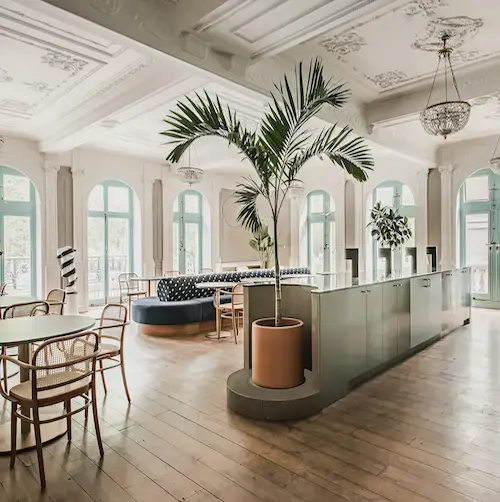
An ABW office typically includes a variety of settings to support different activities and work styles. These settings can range from quiet spaces for focused work to collaborative areas for teamwork and brainstorming. Common spaces in an ABW environment include desks, meeting rooms, phone booths, break-out spaces, nooks, and coworking areas. However, some companies also implement more unique spaces in line with their brand e.g. Gaming areas of “innovation zones”.
Standard ABW Office Areas
1. Collaborative spaces or hubs
In an ABW (Activity-Based Working) environment, collaborative spaces are specifically created to promote teamwork and encourage social interactions. These areas typically consist of coworking regions for casual conversations and minor tasks that take place outside the confines of more formal meetings.
Informal discussion and brainstorming sessions can be conducted in break-out areas like beanbag corners or huddle spaces. Meanwhile, a designated Teams zone is outfitted with bigger screens, docking stations, as well as desks and chairs that can be adjusted to support efficient team collaboration.
2. Quiet spaces/ Focus Pods
A distraction-free environment in an ABW office is provided through quiet spaces, which are specifically designed for employees to engage in deep concentration and minimise interruptions. By providing these quiet spaces, the office allows employees to execute focused work without disturbances.
3. Phone Booths & Video Call Pods
For private conversations, quick calls, or virtual meetings, small soundproof pods allow employees to communicate without disturbing others. Many also have built-in lighting and acoustic panels for optimal call quality.
4. Private rooms / Meeting rooms
Private rooms in an ABW office provide spaces for confidentiality and focused work. These rooms can vary in size and design, from small rooms with comfortable furniture to fully-equipped conference rooms for presentations and hybrid meetings.
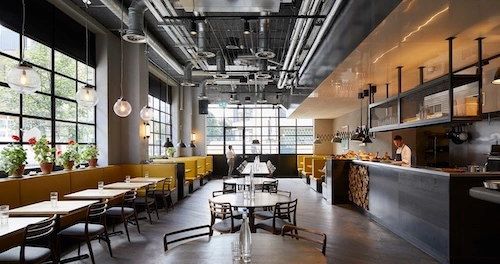
5. Lounge or Café area
In an ABW (Activity-Based Working) office, the café area functions as a central social space where employees can casually chat or share meals. This environment is intentionally created to resemble public social settings, promoting casual get-togethers and more informal chats with the idea of creating a sense of camaraderie and community.
Unique ABW Office Areas:
1. Wellness and Recharge Spaces
ABW offices increasingly include areas dedicated to relaxation and mental well-being. These may feature soft lighting, comfortable seating, greenery, and even meditation or nap pods to help employees recharge. These are especially common in companies that have a wellness focus and on the flip side companies that have a tough work ethic where people might need to recharge!
2. Innovation Labs & Maker Spaces
Designed for hands-on work, these areas include tools for prototyping, brainstorming walls, and digital collaboration screens. They’re ideal for research and development teams or creative projects and are common with innovative startups.
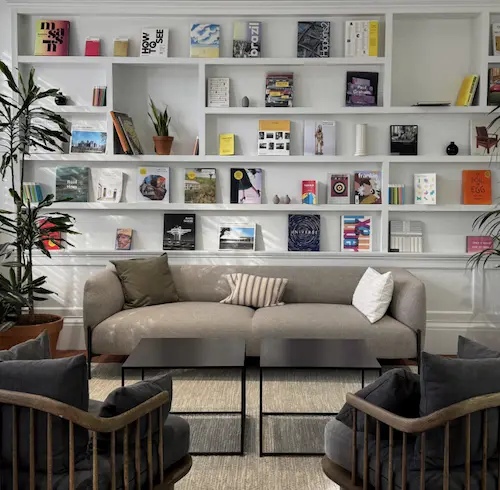
3. Library areas
For employees who prefer working in a structured yet quiet environment, some ABW offices feature library-inspired spaces with bookshelves, study desks, and subdued lighting. These can have a lovely aesthetic but also set the tone for the type of work that should be done here.
4. Gaming & Break Zones
To encourage relaxation and team bonding, some offices introduce recreational spaces with table tennis, board games, or even VR stations. These areas provide a mental reset, boosting overall productivity. These are also really popular in tech companies where there are lots of coders!
5. Active Workstations and Sports Areas
To promote movement throughout the workday, some ABW offices integrate treadmill desks, stationary cycling workstations, or standing desk areas with balance boards. These setups encourage light physical activity while working, helping employees stay energised and engaged. They are really popular with activity-focused brands with some taking this even further, for example, the Nike headquarters in New York have a full-sized basketball Court.
Evolution from traditional workplaces
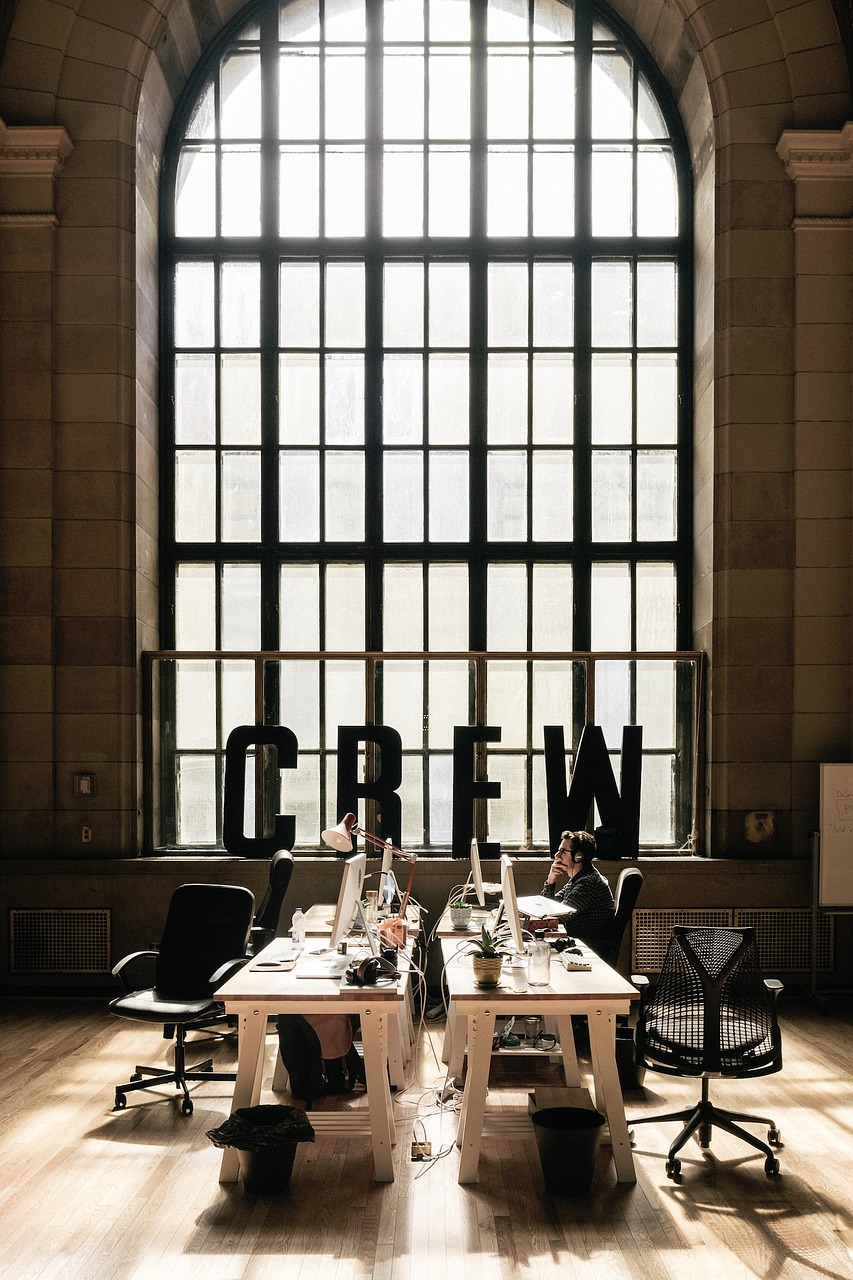
Traditional office space design with banks of desks
The modern office has its roots in the structured, rigid work environments of the past. This shift requires moving away from a traditional work culture that prioritizes fixed, desk-based setups. In the early 20th century, offices were designed much like factory floors—rows of desks packed tightly together, overseen by managers from private offices above. This mirrored the industrial mindset of the time: efficiency was prioritised over comfort, and employees were expected to sit at their assigned desks for set hours each day.
By the mid-century, the cubicle era took hold. Introduced in the 1960s as part of the “open office” movement, cubicles were meant to give workers more privacy while maintaining efficiency. However, instead of fostering creativity and flexibility, they often created a sense of isolation and monotony. Offices became a sea of grey partitions, reinforcing a culture of routine rather than adaptability.
As technology advanced and work became more knowledge-based, these rigid environments started to feel outdated. The rise of laptops, Wi-Fi, and digital collaboration tools made it possible to work in different ways, and companies began to rethink their approach to office design. This shift gained momentum in the 1990s with Activity-Based Working (ABW), a concept popularised by Erik Veldhoen in The Demise of the Office (1994). Instead of assigned seating and static layouts, ABW introduced flexible spaces tailored to different types of work—quiet areas for focus, open spaces for collaboration, and social zones for informal meetings.
Today, with hybrid work becoming the norm, ABW is more relevant than ever. Businesses are moving away from the outdated “one desk per person” model and creating offices that are designed around how people work rather than where they sit. Whether you’re looking to modernise your current setup or find a space that supports a more agile way of working, choosing the right office is key. If you’re searching for an office space in London that aligns with the future of work, there are plenty of options designed to foster collaboration, focus, and employee well-being that have been designed with ABW in mind.
Benefits of Activity Based Working
Activity Based Working (ABW) delivers plenty of advantages when done right such as improved productivity, heightened employee satisfaction, and cost-effectiveness.
In today's working environment, flexibility and adaptability are crucial to meet the diverse needs of employees.
Increased productivity
Activity-Based Working (ABW)has been shown to significantly boost both individual and team productivity. For example, National Grid, a British utilities company, implemented ABW and reported an 8% increase in overall productivity. This improvement is largely due to employees having the flexibility to choose work environments that best suit their tasks, leading to better workspace utilisation and efficiency.
By designing offices with designated areas for different types of work, businesses can enhance both productivity and job satisfaction. Employees can move between quiet zones for focused tasks, collaborative spaces for teamwork, and informal areas for brainstorming—allowing them to work more effectively throughout the day.
Enhanced employee satisfaction
Implementing an Activity-Based Working (ABW) approach allows employees to choose from various work settings tailored to different tasks. This flexibility enhances job satisfaction and fosters a sense of autonomy. Research by Modus indicates that companies transitioning to ABW have seen a 17% increase in overall workplace satisfaction and a 13% boost in individual productivity.
Cost efficiency
Implementing Activity-Based Working (ABW) can significantly reduce real estate expenses by optimising space utilisation. For instance, companies adopting ABW have been able to reduce their office footprint by up to 25% by enhancing how the office space is used.
Challenges and Considerations
While Activity-Based Working (ABW) offers flexibility, collaboration, and cost savings, its success isn’t guaranteed. Poorly designed ABW environments can lead to frustration, reduced productivity, and disengaged employees.
One of the biggest hurdles is resistance to change. Employees accustomed to assigned desks may struggle with losing their personal space, and without proper communication, ABW can feel more like a cost-cutting exercise than an employee-centric initiative.
Space management is another challenge. A poorly executed ABW design can result in overcrowded collaborative areas, a shortage of quiet workspaces, or inefficient booking systems—leading to frustration instead of flexibility.
There’s also the initial investment to consider. ABW isn’t just about removing desks; it requires smart space planning, technology integration, and change management to ensure it truly supports different working styles.
When done right, ABW creates a dynamic environment where employees can thrive. But without careful planning, it can backfire—causing confusion, workplace inefficiencies, and dissatisfaction. Businesses that take the time to design ABW with employee needs at the centre are the ones that see real benefits in productivity, engagement, and workplace satisfaction.
If you're planning an activity-based workspace, our space planning tool can help you estimate the total space your team will need before deciding how to divide it into different activity zones.
Overcoming Challenges and Concerns
Implementing an activity-based working environment can be challenging, and concerns may arise. Here are some common challenges and strategies to overcome them:
1. Resistance to Change: Employees may resist changes to their traditional work environment and work styles. To address this, involve employees in the planning process, communicate the benefits of the new setup, and provide training to help them adapt to the new work environment.2. Noise and Distractions: Open collaboration spaces can be noisy and distracting, impacting employee productivity. To mitigate this, design the workspace with soundproofing materials, create designated quiet zones, and establish guidelines for noise levels in different areas.3. Lack of Private Space: Employees may feel that they lack private space and quiet areas for focused work. Ensure that the workspace includes a variety of settings, such as private offices and quiet focus areas, to accommodate different work styles and needs.4. Technology Issues: Technology-enabled tools can be prone to technical issues, which can impact employee productivity. Invest in reliable technology, provide technical support, and offer training to ensure that employees can use the tools effectively.5. Measuring Success: Measuring the success of an activity-based working environment can be challenging. Use a combination of metrics, such as employee satisfaction surveys, productivity metrics, and space utilization data, to evaluate the effectiveness of the new workspace and make necessary adjustments.
Implementing Activity Based Working in Your ABW Office
Implementing activity-based working in your ABW office requires a thoughtful and strategic approach. Here are some steps to consider:
1. Conduct an Employee Survey: Start by conducting an employee survey to understand their work styles, preferences, and needs. This information will help you design a workspace that supports different work activities and enhances employee satisfaction.2. Assess Your Workspace: Evaluate your current workspace to identify areas for improvement and opportunities for implementing activity-based working. Consider factors such as space utilization, technology infrastructure, and employee feedback.3. Develop a Business Case: Create a business case for activity-based working, highlighting the benefits and potential return on investment. This will help secure buy-in from stakeholders and provide a clear roadmap for the implementation process.4. Design and Implement the Workspace: Design the new workspace with flexible workspaces, multiple settings, and technology-enabled tools. Ensure that the design supports different work styles and activities, and aligns with your company’s brand and culture.5. Train and Support Employees: Provide training and support to help employees adapt to the new workspace and work environment. Offer resources such as user guides, workshops, and technical support to ensure a smooth transition.6. Monitor and Evaluate: Continuously monitor and evaluate the success of the activity-based workspace using metrics such as employee satisfaction, productivity, and well-being. Use this data to make necessary adjustments and improvements to the workspace.
By following these steps, you can successfully implement activity-based working in your ABW office, creating a dynamic and adaptable work environment that supports employee satisfaction, productivity, and well-being.
The Future of Activity-Based Working: Flexibility, Technology, and Evolving Workstyles
The way we work is changing faster than ever, and Activity-Based Working (ABW) is evolving to keep up. As businesses adapt to hybrid models and new technologies, ABW is becoming more than just a workspace strategy—it’s shaping the future of work itself.
Hybrid Working: The New Normal
The future of ABW is deeply connected to hybrid work, blending the freedom of remote working with the benefits of an office. Instead of rigid schedules and assigned desks, employees will have the flexibility to choose where they work based on their tasks—whether that’s a quiet focus area, a collaborative hub, or a remote setup. This approach not only boosts efficiency but also creates a workplace that prioritises autonomy and job satisfaction.
Technology: Driving the Next Phase of ABW
AI, IoT-powered smart offices, and VR collaboration tools are set to revolutionise ABW. Imagine a workspace where:
Sensors adjust lighting and temperature based on occupancy
AI-powered booking systems ensure workspaces are never underused
These innovations will make workspaces more intuitive and adaptive, helping businesses optimise space while enhancing employee experience and productivity.
Adapting to New Work Styles
Companies that actively listen to employees and adapt their workplaces accordingly will have a competitive edge. Regular feedback, workspace analytics, and flexible office design will ensure ABW evolves with employee needs rather than against them. Instead of forcing change, businesses that co-create their workspaces with employees will foster a sense of belonging and motivation.
The future of ABW isn’t just about space—it’s about building workplaces that are as dynamic and adaptable as the people who use them.
Summary
Adopting Activity-Based Working (ABW) is more than just a shift in office design—it’s a commitment to flexibility, autonomy, and smarter working. By offering a variety of work settings tailored to different tasks, integrating advanced technology, and prioritising employee well-being, ABW creates a workplace that adapts to its people, not the other way around.
While transitioning to ABW comes with challenges—such as resistance to change, space management, and initial investment—the long-term benefits in productivity, employee satisfaction, and cost savings make it a strategy worth embracing. Businesses that implement ABW successfully don’t just optimise their office space—they future-proof their workplace.
As work continues to evolve, ABW isn’t just an option—it’s the future. Companies that embrace this approach today will be the ones shaping the workplaces of tomorrow.
Frequently Asked Questions
What is Activity Based Working (ABW)?
Activity-Based Working (ABW) is a flexible workplace strategy that allows employees to choose their work environment based on their tasks.
Instead of being assigned a fixed desk, employees have access to a variety of spaces—quiet zones for focused work, collaboration areas for teamwork, and informal spaces for brainstorming.
This approach boosts productivity, encourages autonomy, and supports different working styles.
How does ABW enhance employee well-being?
ABW promotes employee well-being by encouraging movement throughout the workday, reducing sedentary behaviour, and integrating ergonomic and wellness-focused spaces.
Offices designed with ABW in mind often include standing desks, quiet retreat areas, and relaxation zones to support both physical and mental health.
A well-implemented ABW model fosters a healthier, more balanced work environment, leading to improved job satisfaction and reduced stress.
What are the key benefits of ABW?
ABW offers several advantages, including:
Increased productivity – Employees can work in environments that best suit their tasks.
Enhanced job satisfaction – Greater autonomy and choice lead to higher engagement.
Optimised office space – Businesses can reduce real estate costs by using space more efficiently.
However, when employee needs are prioritised and proper planning is in place, these challenges can be successfully navigated to unlock the full potential of ABW.
How does technology support ABW?
Technology plays a crucial role in making ABW work seamlessly. Tools such as smart desk booking systems, IoT-powered sensors, AI-driven workplace analytics, and virtual collaboration platforms ensure that employees can easily find and use the spaces they need.
These technologies optimise space usage, enhance connectivity between remote and in-office teams, and improve overall workplace efficiency, making ABW more adaptable and effective.
Explore office space in London
Priority neighbourhoods with deep coverage across the city.
Laura Beales is the Co-Founder of Tally Workspace, bringing a unique blend of financial expertise and real estate knowledge to the office space industry. A qualified Chartered Accountant, Laura began her career in finance but transitioned into commercial property after experiencing first-hand the inefficiencies and lack of transparency in the market from a customer perspective.
From first office to scale-up headquarters, we have been there.
Secured a 14,000 sq ft CAT A leased HQ at White City Place
Introduced to 3 specialist fit-out partners, including Thirdway
Full market review spanning White City, Hammersmith & Soho
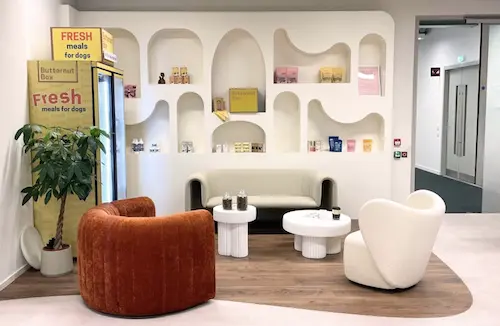
"Much like Butternut Box's brand, the project intent has been to pair a deeply human playfulness with elevated, premium design. Together we've crafted a joyful space which can bring out the best in all users, whether they be two or four legged."
"Tally helped us find our new office at lightning speed. Jules, Laura, and the team are the best at what they do. We wanted a rooftop, natural light, a central location, and a good deal. They got us 10+ solid options within 48hrs and scheduled all the viewings. We found our new space within 2 weeks."
Full market review across serviced, managed and leased office options
Custom layout designed by a workspace specialist - at no extra cost
Secured a self-contained 1,850 sq ft space in Leicester Square
"Tally Workspace exhausted the market and found us just what we were looking for within weeks. They were a breath of fresh air, extremely knowledgeable and helpful, and even assisted with design and fit-out. Very proactive at every stage, like an extension of our own team."
Secured a 2,000 sq ft self-contained HQ in Shoreditch
Workspace designer sourced and managed as part of the service
Used Tally Workspace on-demand between offices
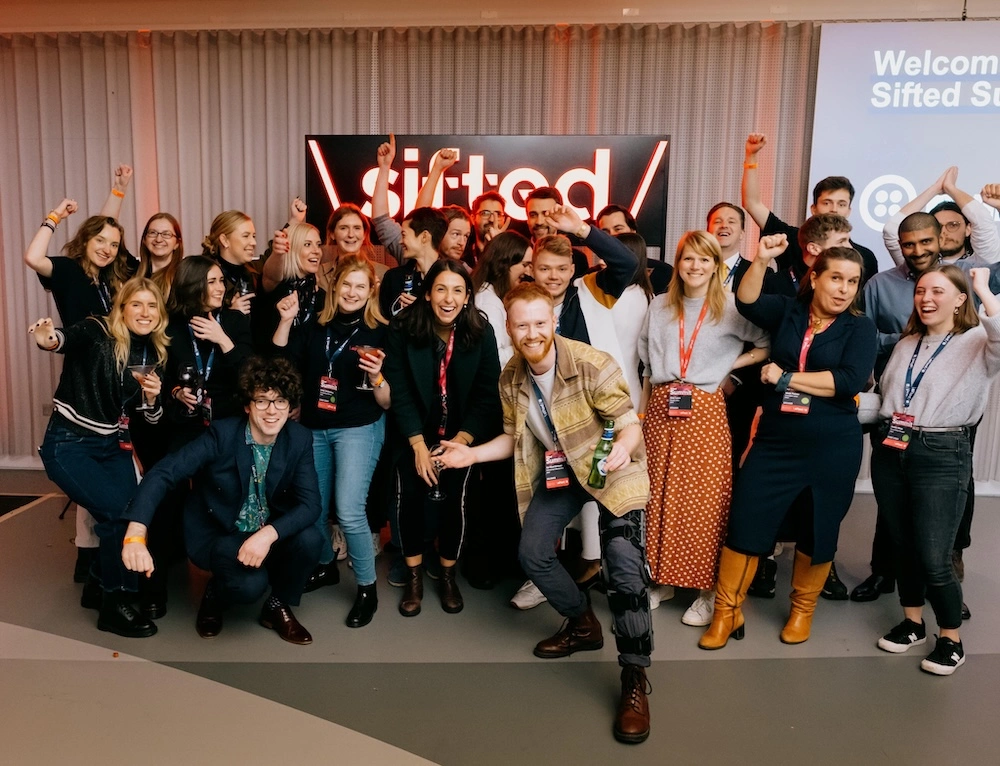
"Tally Workspace has been an incredible help for Sifted. From understanding the office/remote first landscape to finding the right office for all of our requirements."
Shortlisted options across Marylebone, Victoria, Waterloo & Holborn
Secured a 60-desk office with internal meeting rooms in TCR
"You made this whole project smooth and actually enjoyable. You're well connected, which opened up options we wouldn't have found ourselves. I'm confident we would have missed this fantastic opportunity without your help, and you secured us a much better price than we could have achieved directly."
"I'd say it is a no brainer! A win win to use Tally Workspace to find your next space. No additional cost but endless extra value."
Founder & Lightning
"Not only are they very knowledgeable about the market, but they're lovely people to deal with. We're so happy with our final choice and can't wait to move!"
Finance Unlocked
"The space they found was perfect for our team, with loads of amazing breakout space, beautiful meeting rooms and a real emphasis on wellbeing."
Florence
"They got us 10+ solid options within 48hrs and scheduled all the viewings. Highly recommend. We found our new space within 2 weeks."
Cryptio
How Tally Workspace works
Tell us what you need
Team size, budget, location, and deal breakers. We'll ask about the things most people forget too.
searching...
We handle the search
We search our proprietary database then call landlords directly about unlisted spaces. Often back to you within a day.
We handle the detail
Contracts are where most searches fall apart. We review everything and negotiate before you sign.
You move in confident
Best space, best terms, timeline that fits your growth. You know exactly what you're signing.
Tell us what you're looking for
Find an office today
Using our extensive mapping of startup and scaleup office space, find an office that fits your needs and your culture in just a few minutes.